By Alex Jose, Asma Zia Muhammad Hanif, Nay Chi Khin, Rose Zhang and Edward Asare
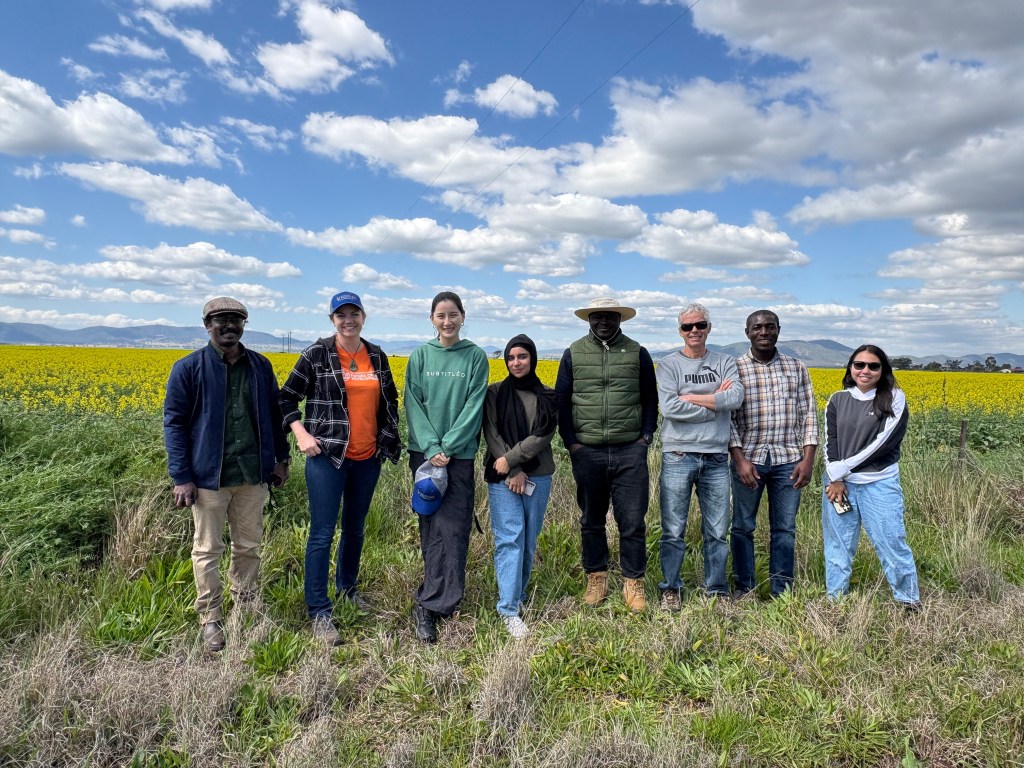
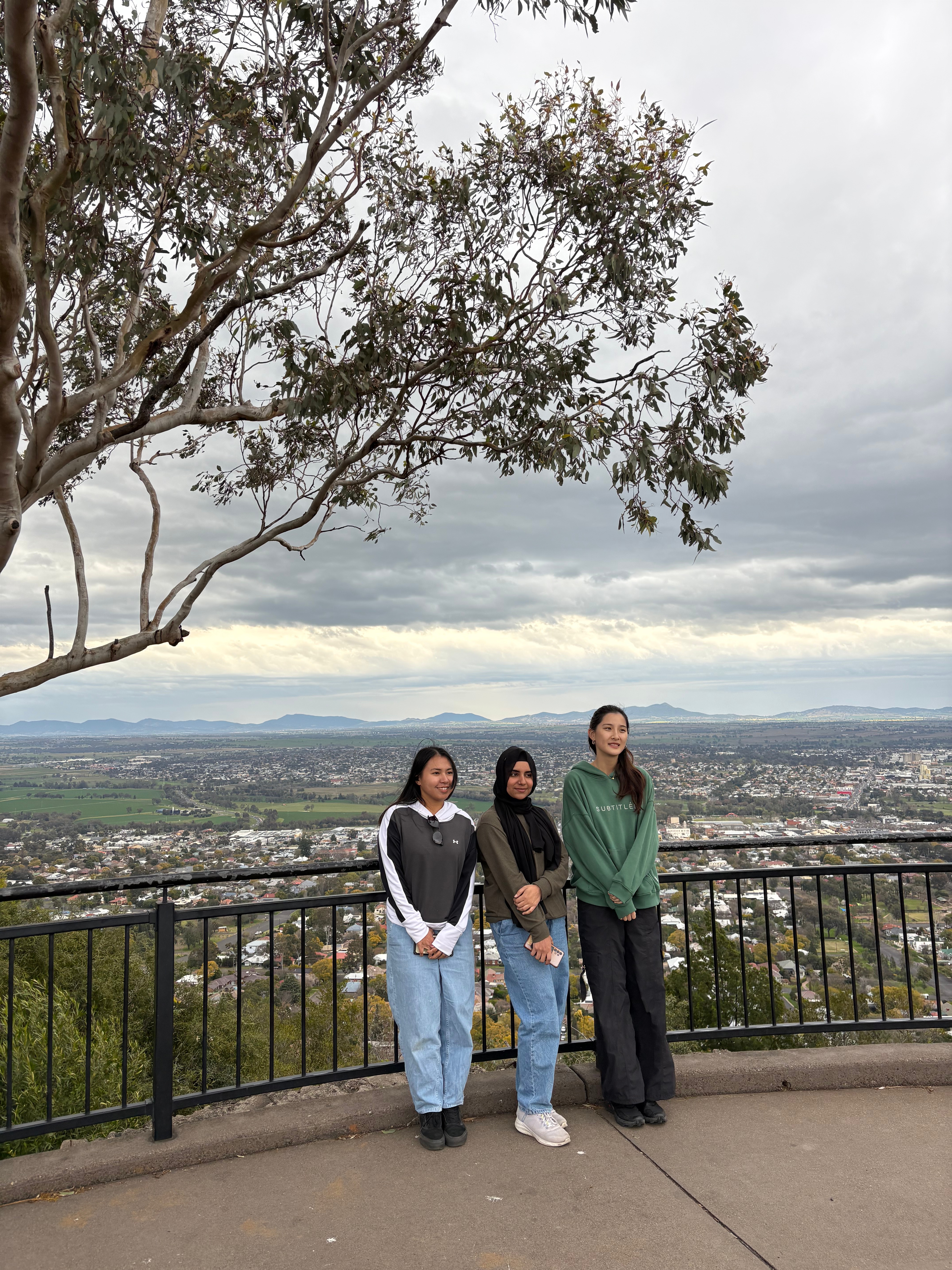
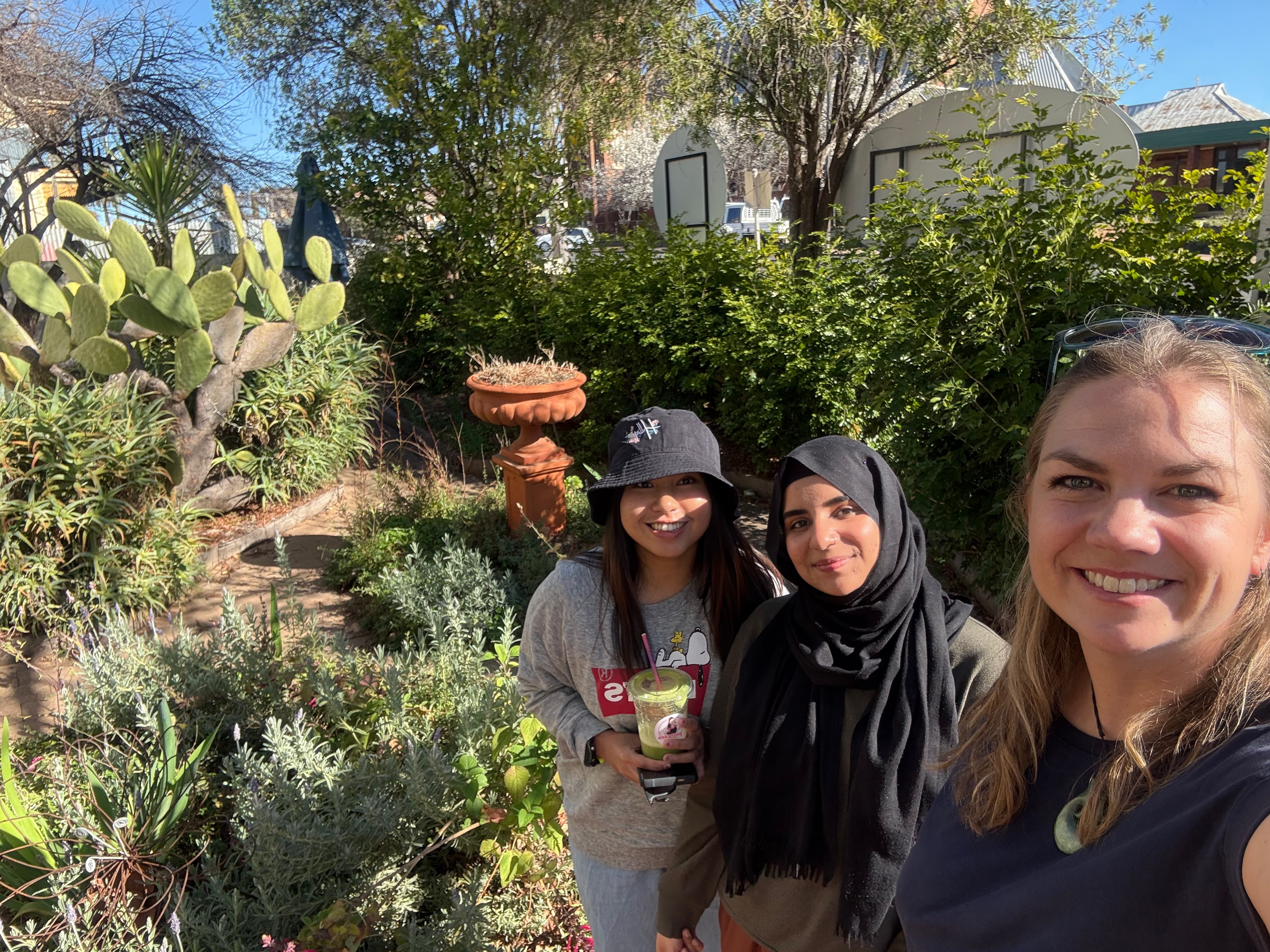
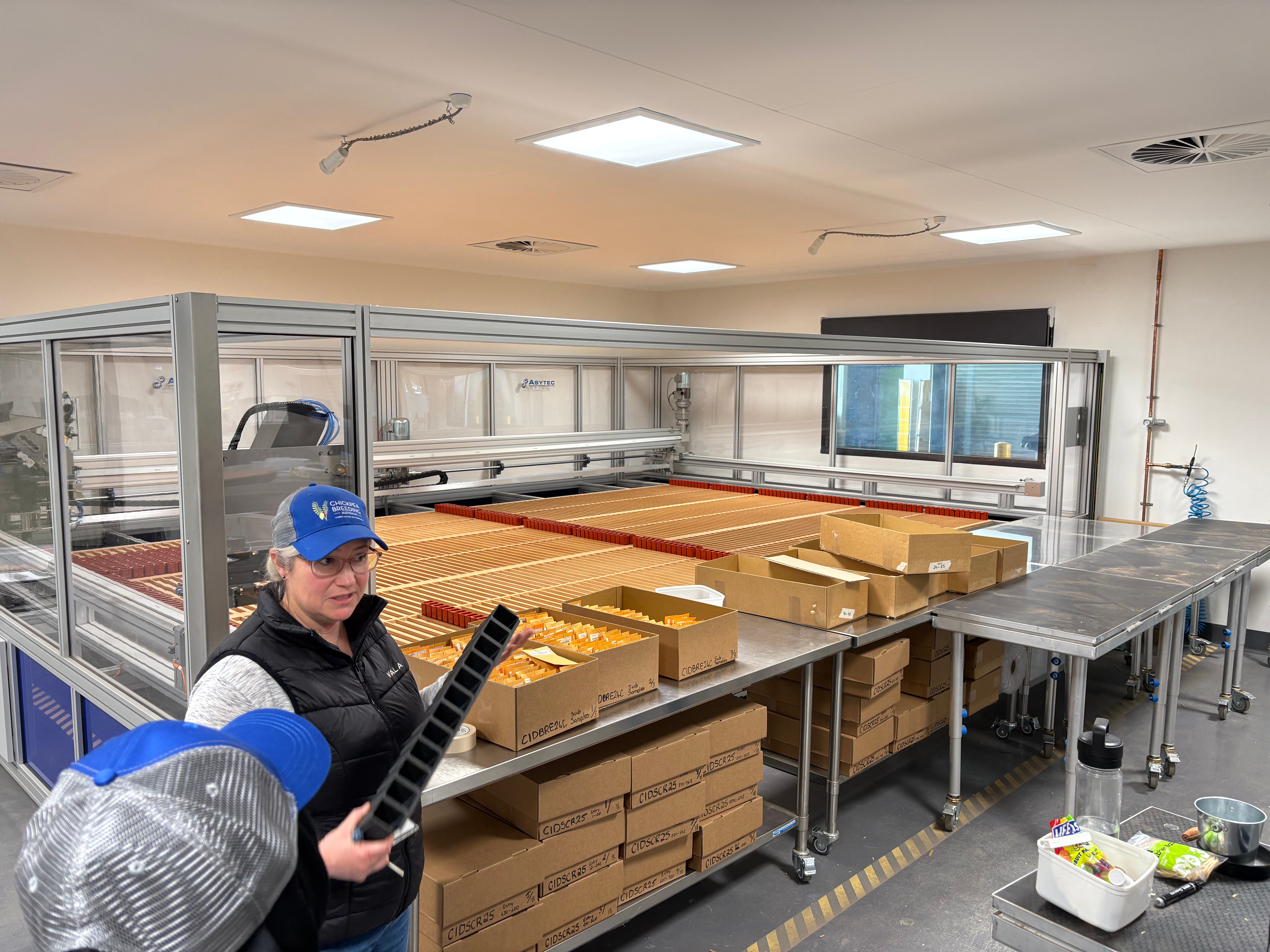
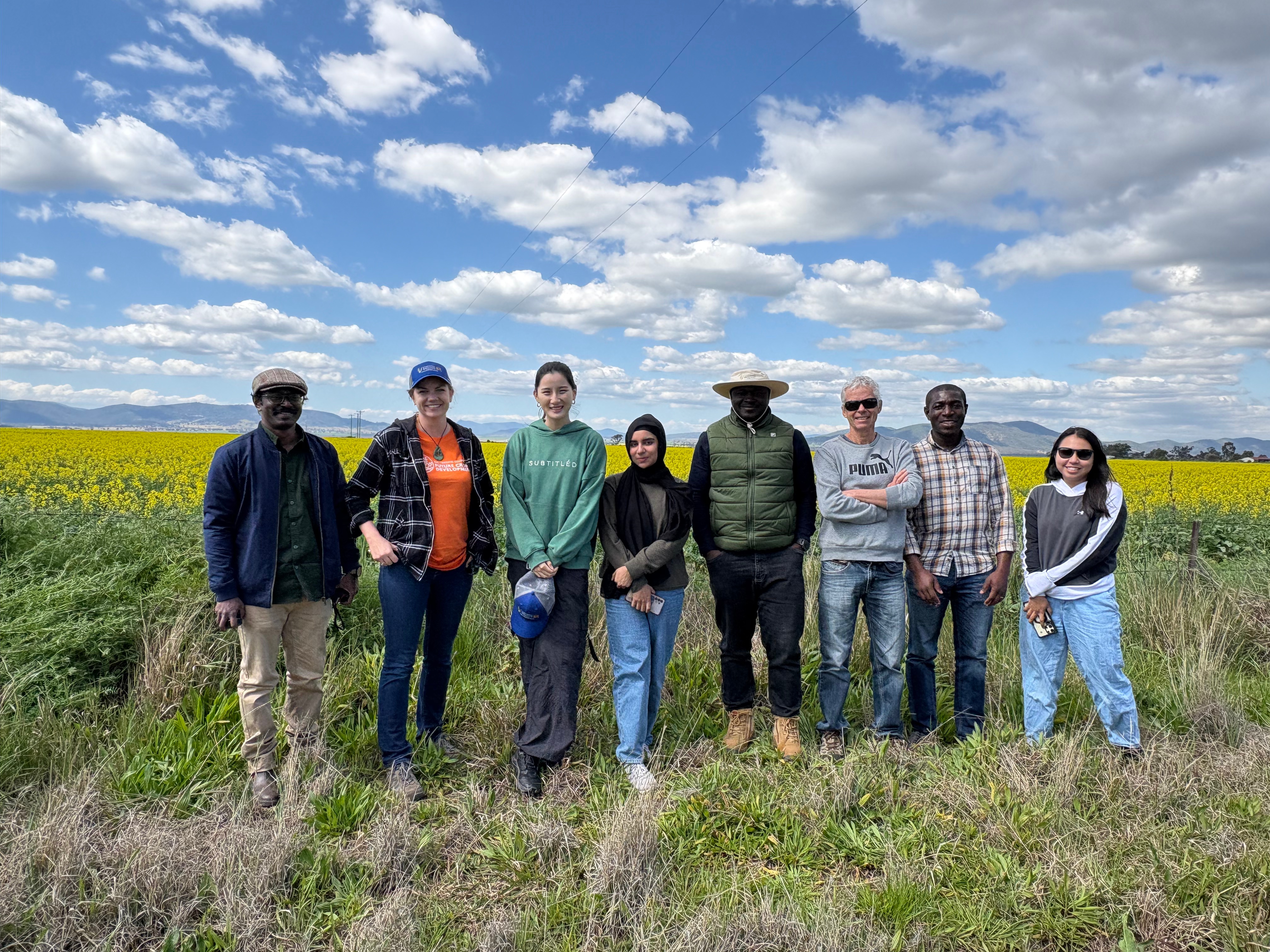
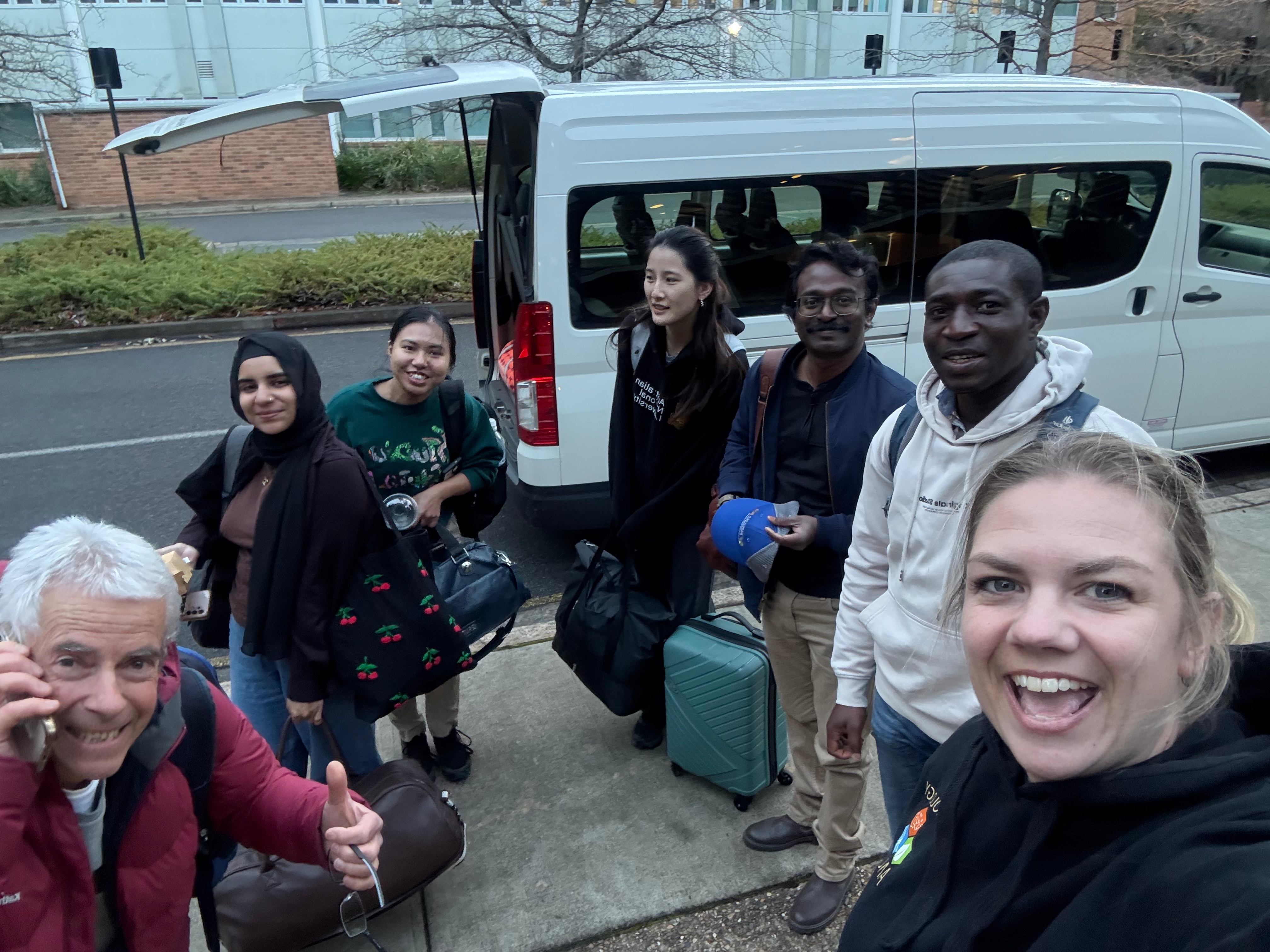
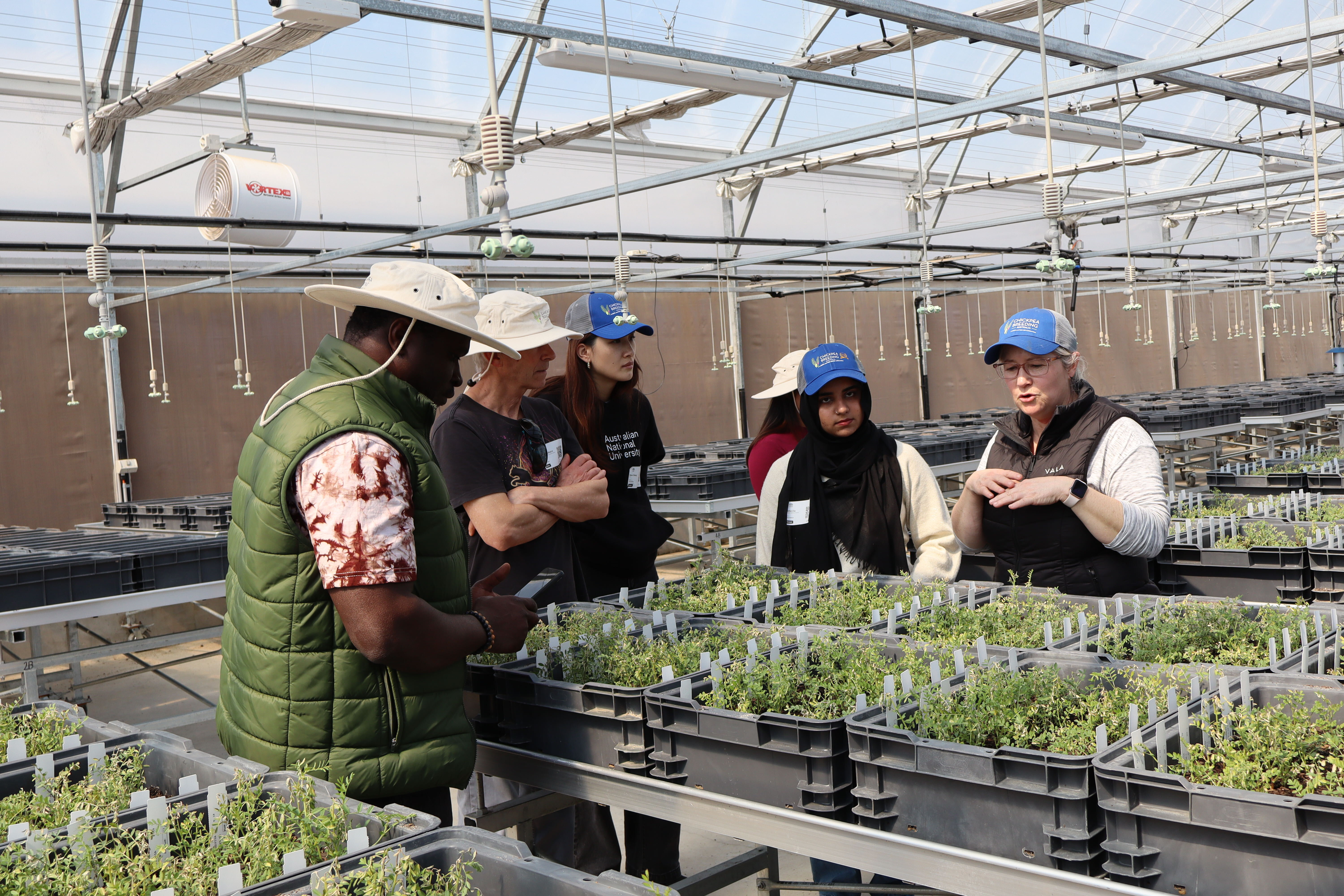
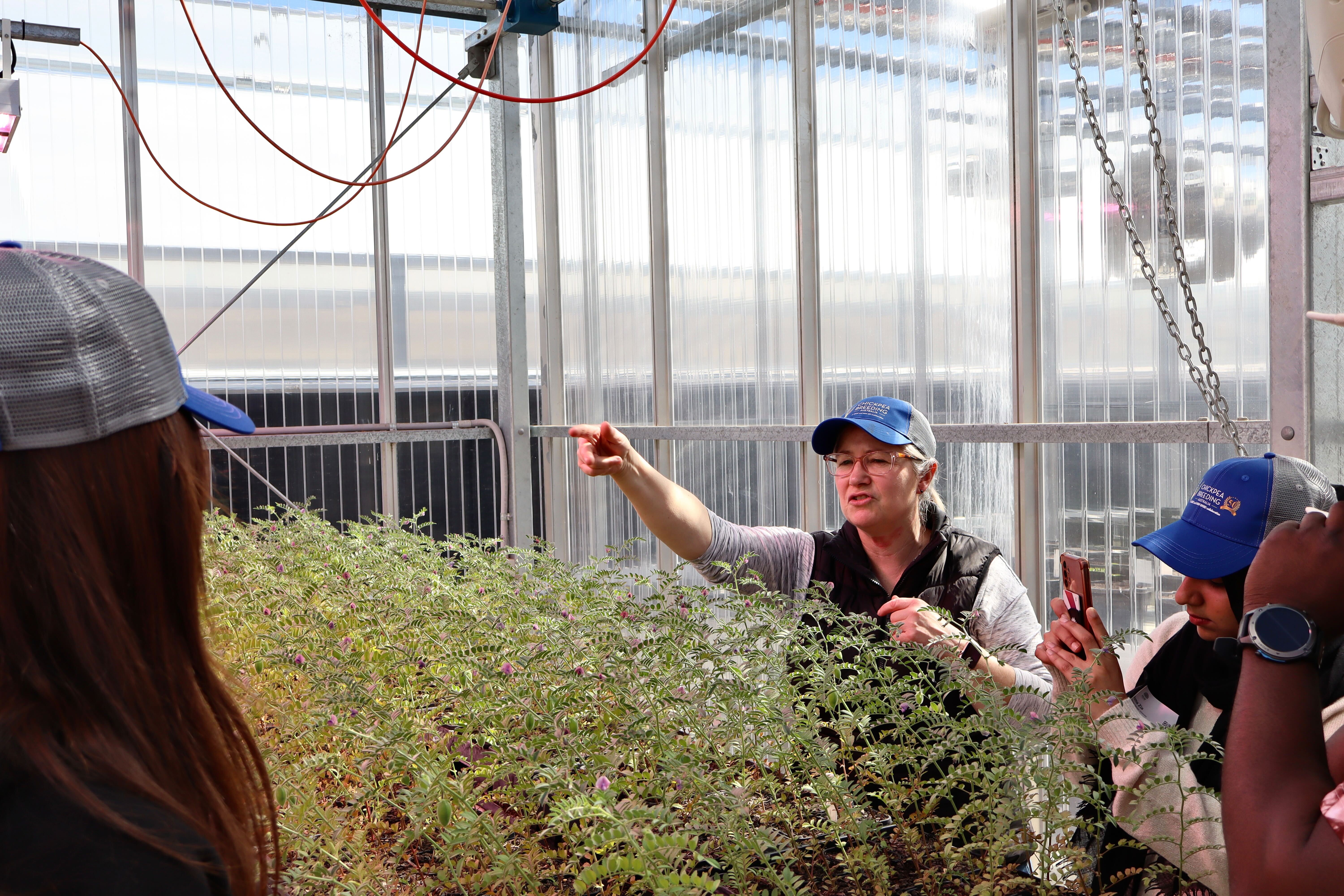
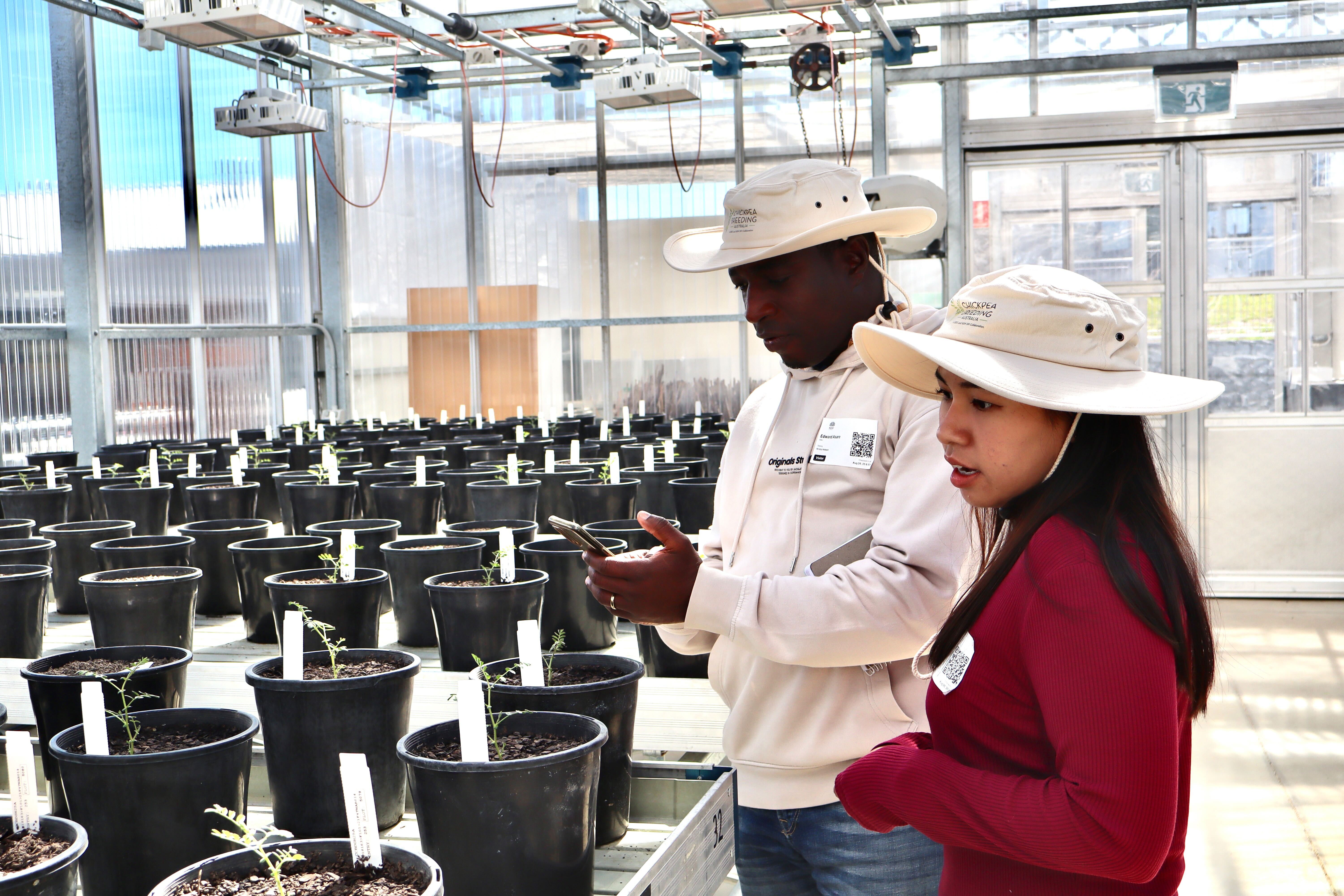
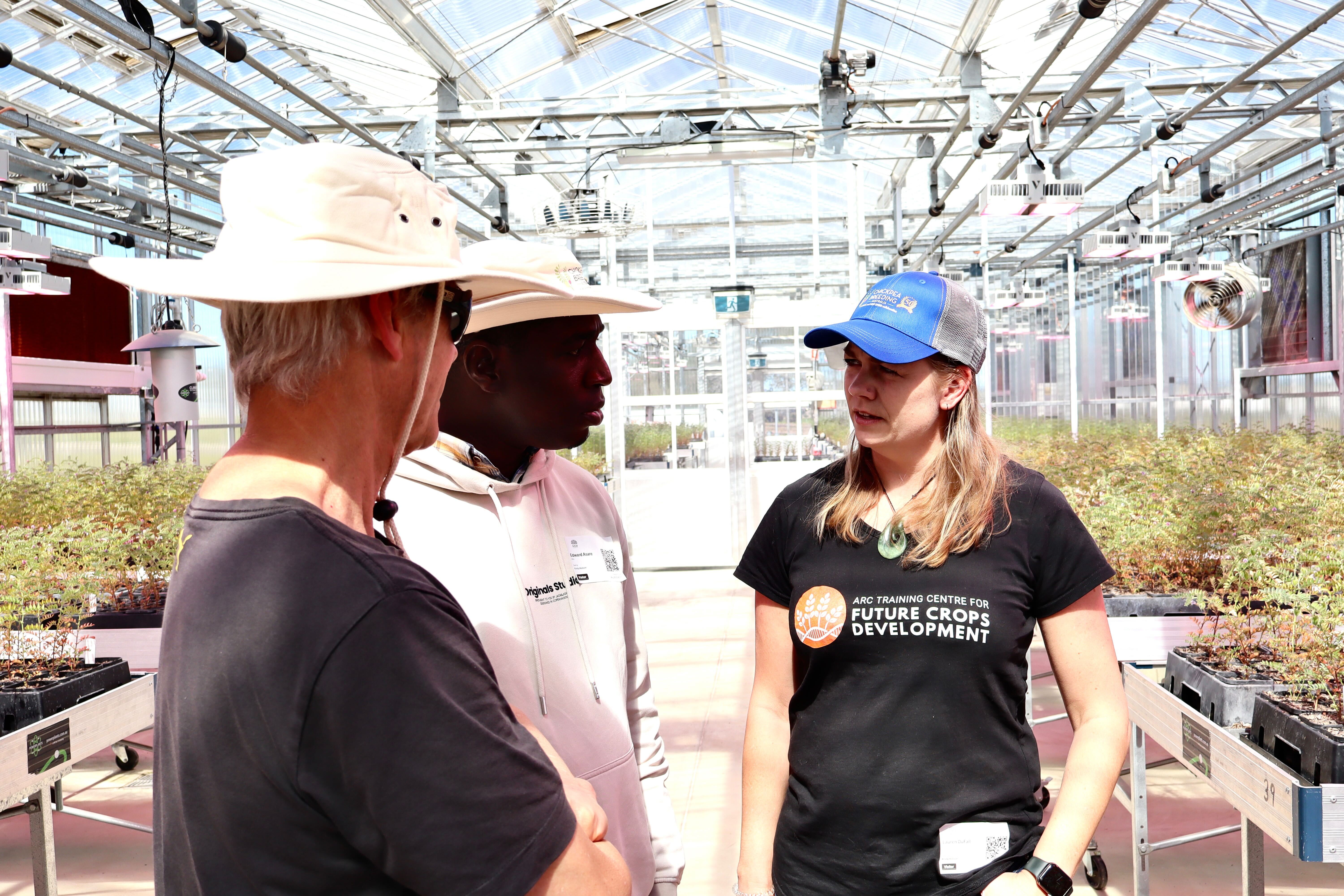
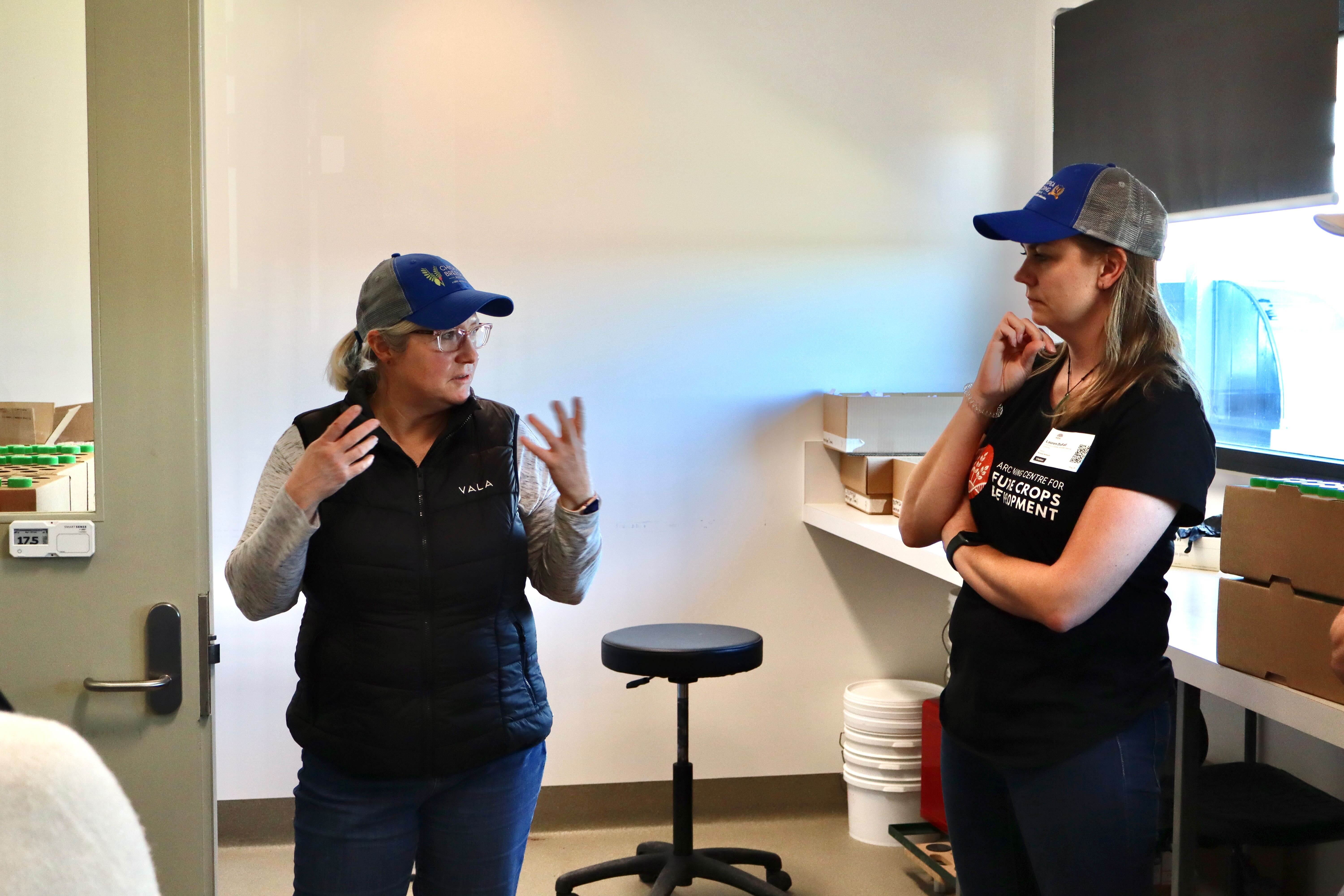
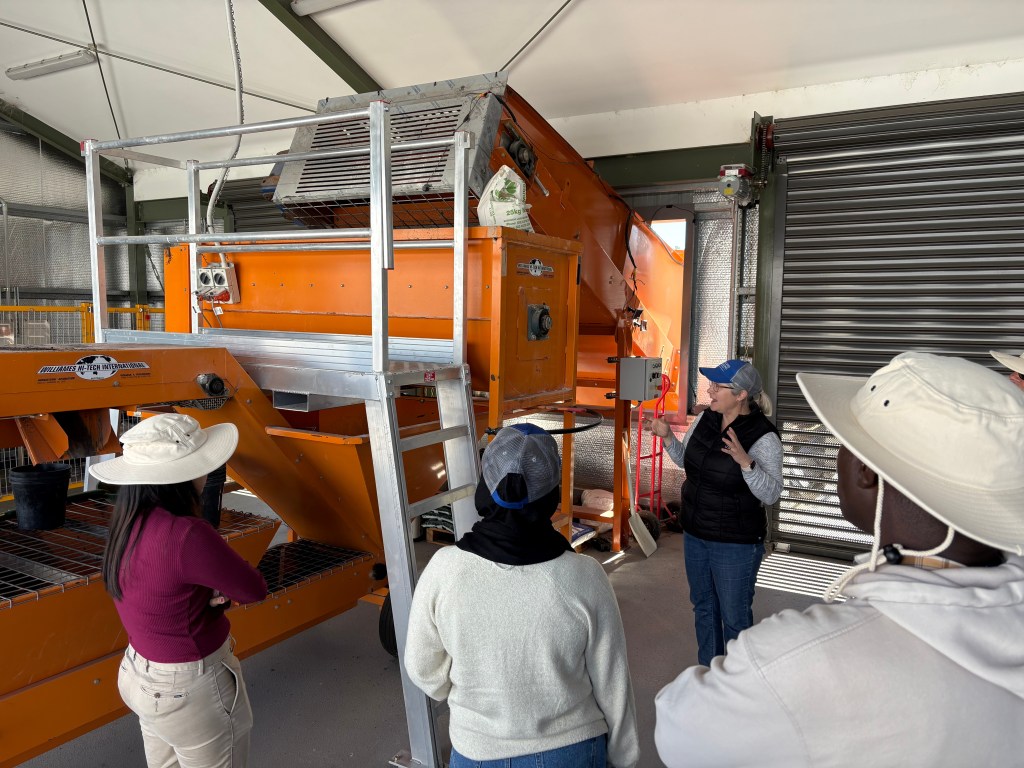
We (Asma, Nay Chi, Rose, Alex, Edward) had the fabulous opportunity to visit the Chickpea Breeding Program at the Tamworth Agricultural Institute (a joint venture of DPI and GRDC). A lot of interesting experiments to learn about, field trips and sunny weather. It was amazing to learn about the chickpea breeding and how much time it takes to develop that ONE seed.
Thank you to Dr Manny Delhaize (Visiting Fellow ANU) for joining our trip in support of our Future Crops Training Centre students. Also Hayley Wilson PhD student University of Melbourne (Investigation into host mediated adaptation of Ascochyta rabiei in the Australian Northern chickpea growing region), and PhD student Richard Olayiwola from University of New England (PhD project: Exploring Genetic Diversity for Genetic Improvement Opportunities in Chickpea Breeding Australia (CBA) Program) for joining our group on the tour.



Learn more about Tamworth Agricultural Institute here
Chickpea Breeding in Australia: A Brief History
- Chickpea cultivation in Australia began in the 1970s. Tapping into this opportunity, the NSW DPI embarked on breeding chickpeas to suit unique Australian environments in 1974 at the Wagga Wagga Agricultural Institute. This led to the release of the first artificially-bred commercial chickpea cultivar in Australia – Tyson, in the late 1970s.
- Chickpea breeding efforts moved to Tamworth in 1986. Ever since, new cultivars have been continuously bred and released by NSW DPI, like Amethyst, Gully and Jimbour.
- The identification of Ascochyta blight in NSW, Victoria and Queensland was another key event which turned attention towards breeding for blight resistance.
- The changed situations demanded more focused efforts and led to the establishment of Pulse Breeding Australia (PBA) in 2006. Most of the commercial cultivars that we are familiar with now, with a PBA prefix, HatTrick, Striker, Pistol, Monarch, Boundary, Seamer, Royal and Drummond, were released consecutively by this highly successful program.
- Chickpea Breeding Australia (CBA) was launched in 2020, resulting in the release of the most efficient and vigorous cultivar as of now – CBA Captain. The year 2024 marked the glorious 50th year of chickpea breeding for Australian environments by NSW DPI.
- One name which cannot be forgotten is Ted Knight’s. He was a chickpea breeder with DPI for over three and a half decades, from 1974 to 2011. Right from the initial breeding efforts to breed tall plants for improved harvestability to the release of PBA Seamer in the spring of 2016, he stood as a powerhouse behind these endeavours. In recognition of his contributions to chickpea breeding research, he was awarded the Farrer Memorial Medal in 2016.
In 2011, Dr Kristy Hobson took leadership of the NSW Department of Primary Industries’ chickpea component of the Pulse Breeding Australia Initiative, a national pulse breeding program. Kristy has been involved in chickpea breeding since taking on a Junior Breeder role in 2003. Kirsty received the GRDC Seed of Light award in 2023 in recognition of her impactful work in chickpea breeding that has seen industry confidence in chickpea grow through varietal improvements.
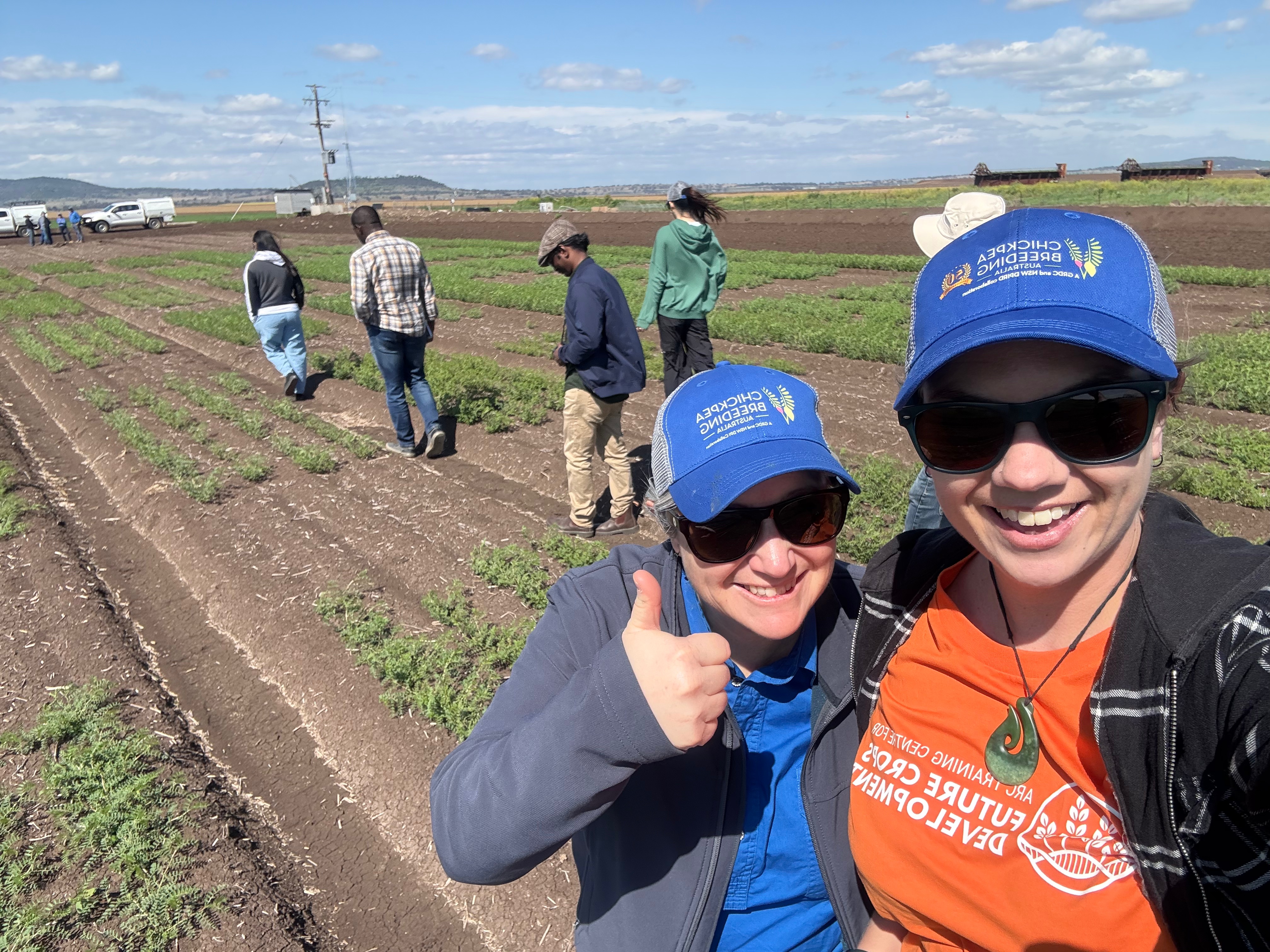
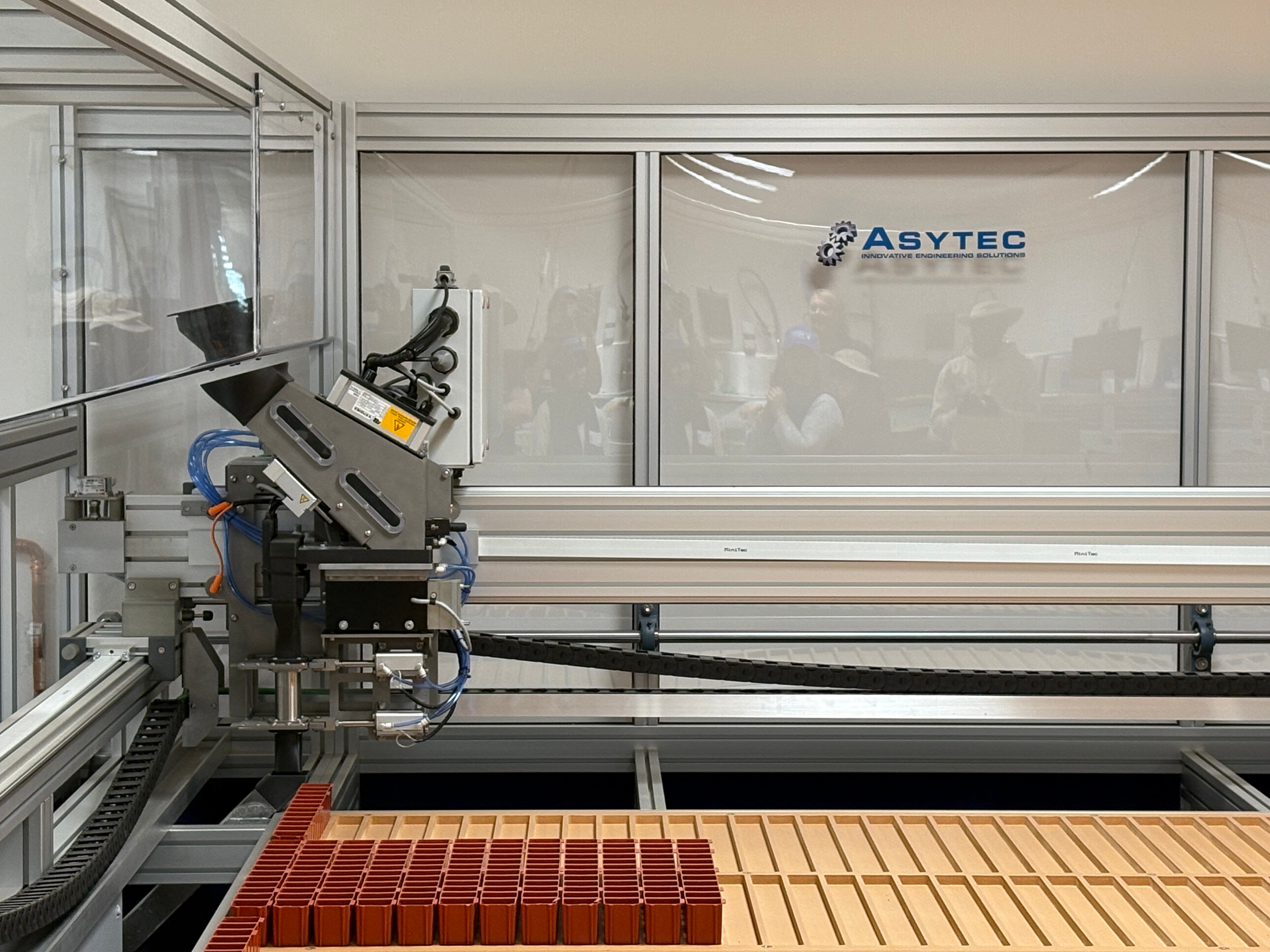
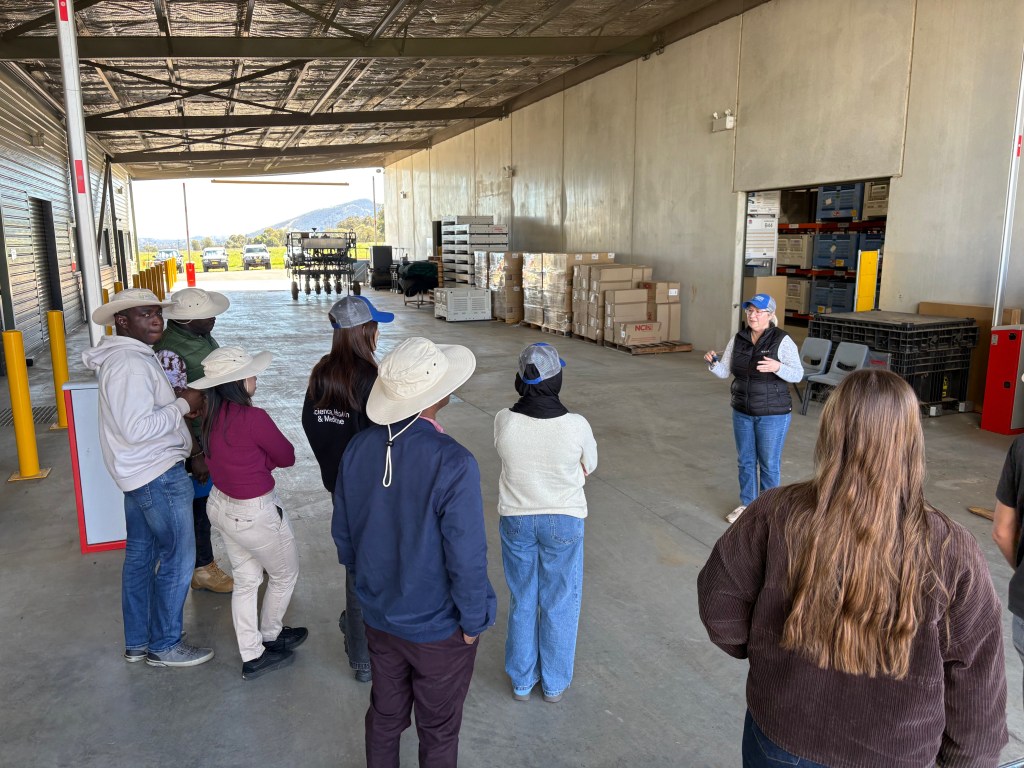
A huge thank you to Kristy for hosting us for our visit of CBA facilities and trials. This was an incredibly unique opportunity for the Future Crops Training Centre cohort.
Highlights of some of the experiments and field trials in Tamworth and Breeza going on:
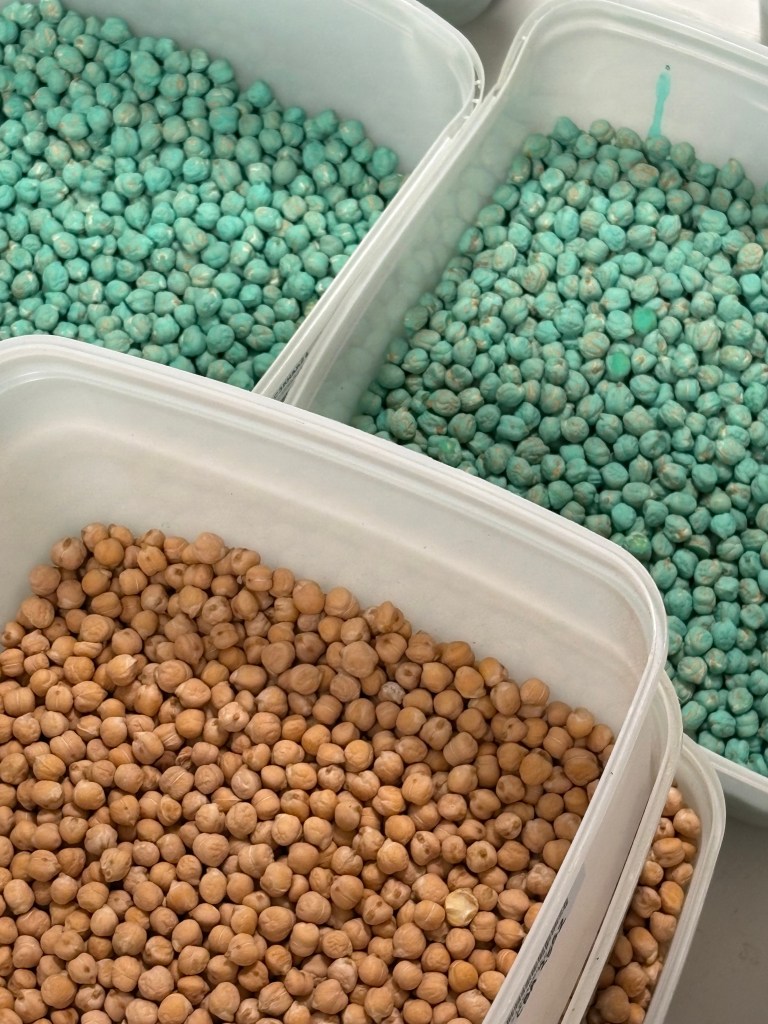
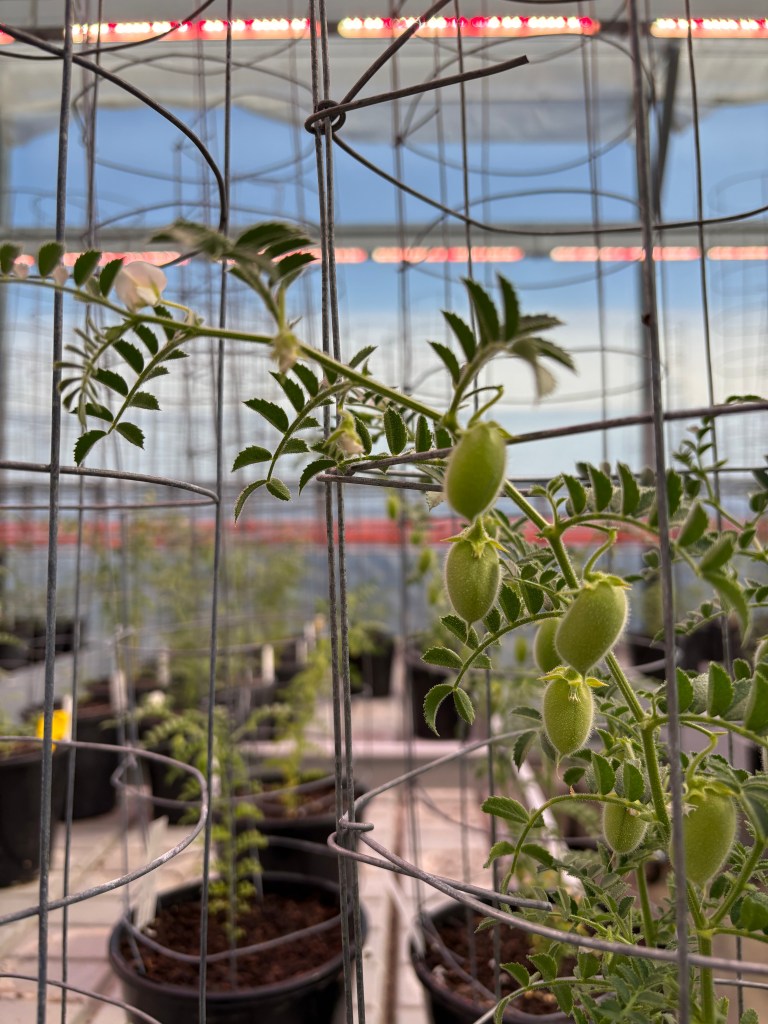

- Chickpea yield stability and heat tolerance in desi and kabuli types (field trials)
- Aschochyta blight resistance field trials
- Chickpea hydroponics infrastructure
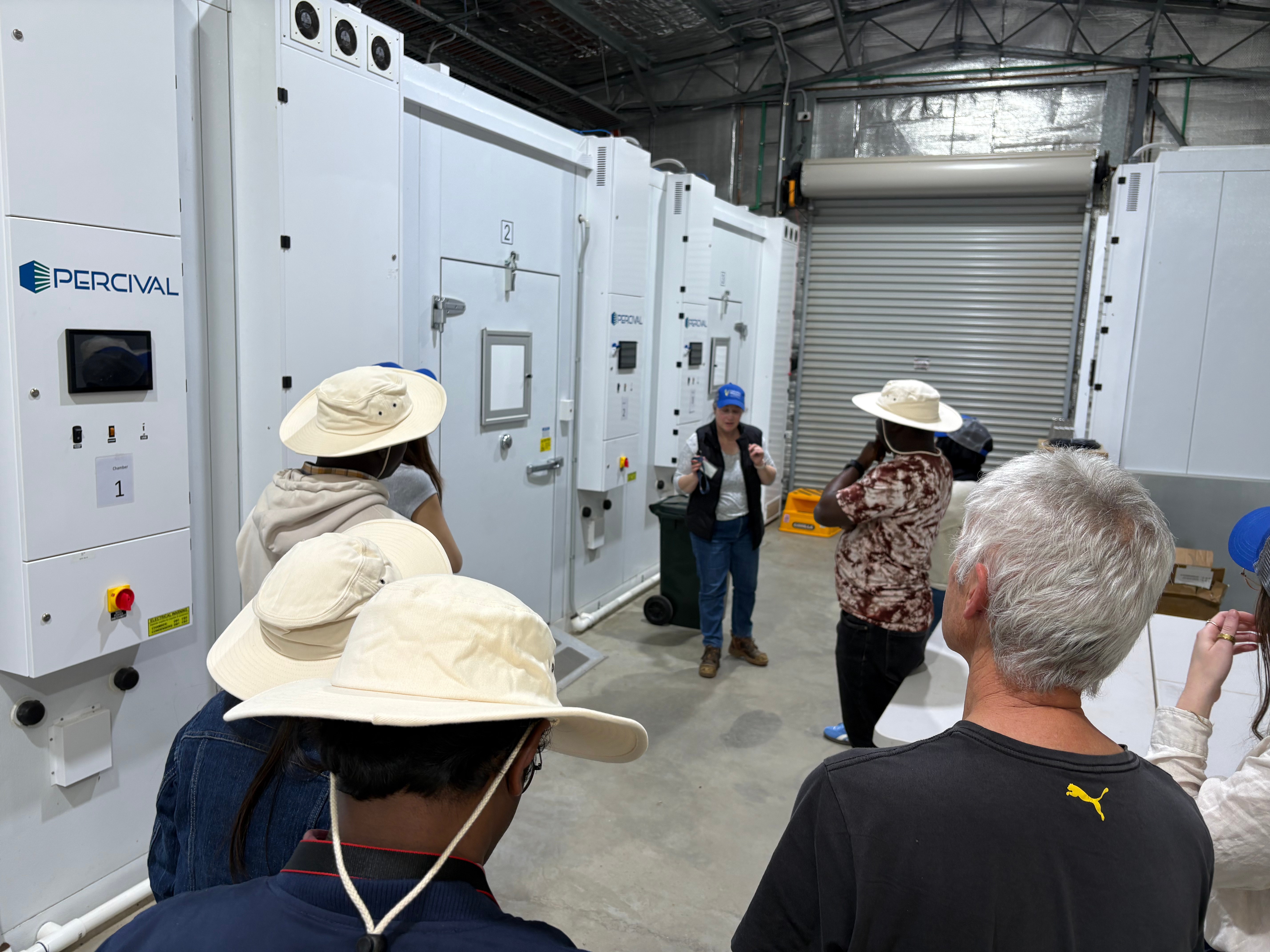
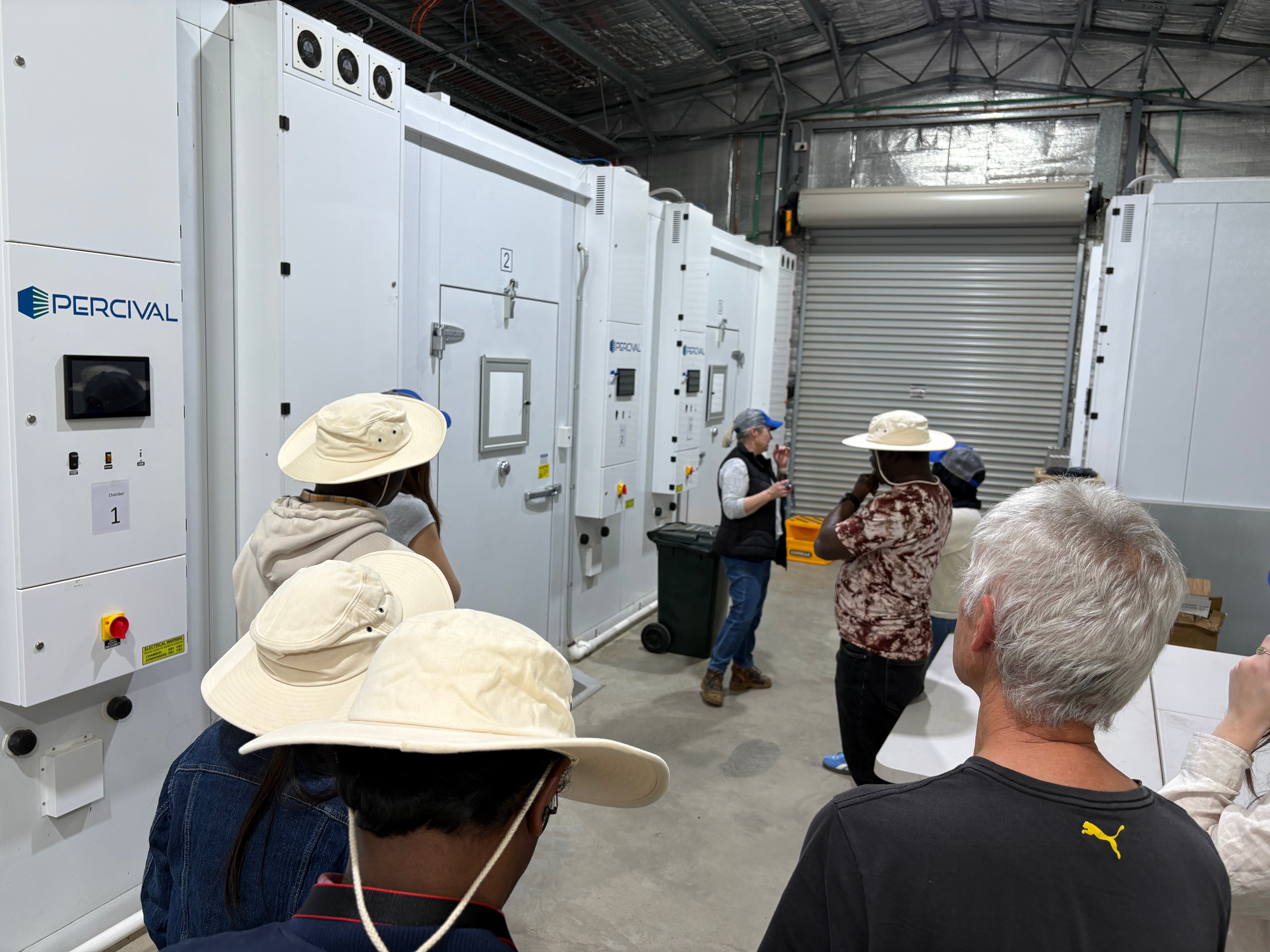
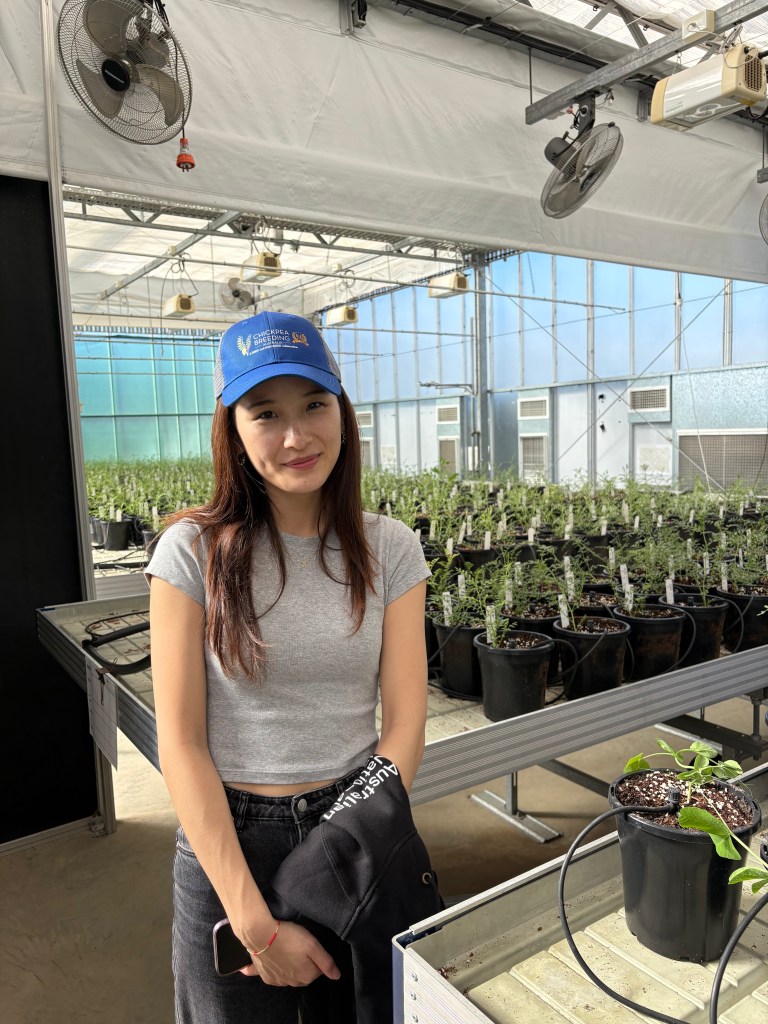
- Chickpea speed breeding optimized setup (takes 20-25 days to flower instead of 45-55) reduces generation time to 3 months from 6 months.
- N-fixation experiments
- Drones to measure plant phenotype in field trials.
Apart from chickpea, there is also work on cereals such as wheat.
- A field trial on wheat genotype/ environment interaction, soil nutrition and wheat yield trials.
These trials are joint program going on in Victoria and Queensland as well.


From 25th to 27th August 2025, we visited the Department of Primary Industries and Regional Development (DPIRD) to gain insight into the activities of the Chickpea Breeding Australia (CBA) program, particularly their efforts to address key abiotic and biotic stresses affecting chickpea production in Australia. Some of the challenges Kristy Hobson highlighted included root rot, Ascochyta blight, drought, and heat stress.
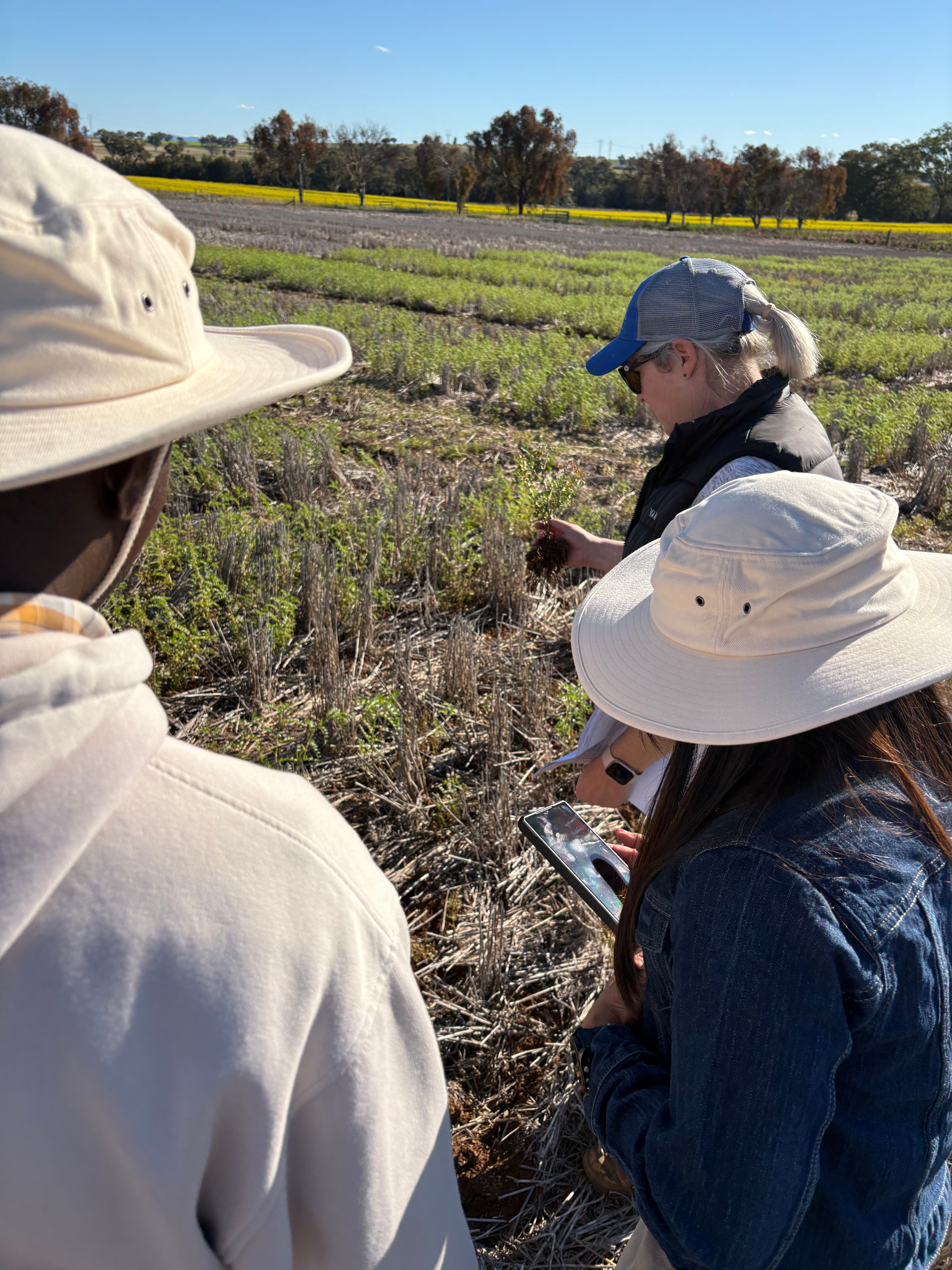
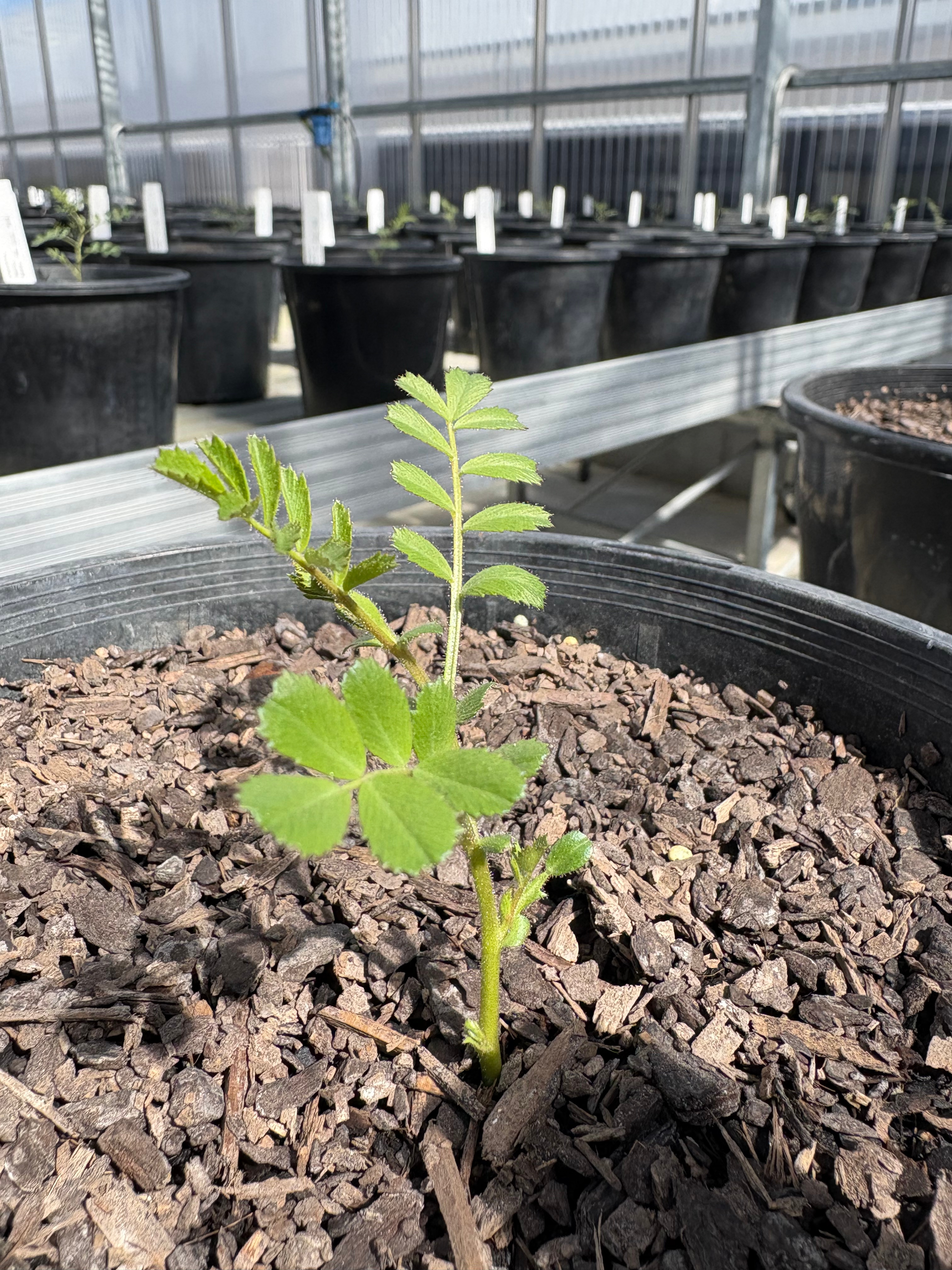
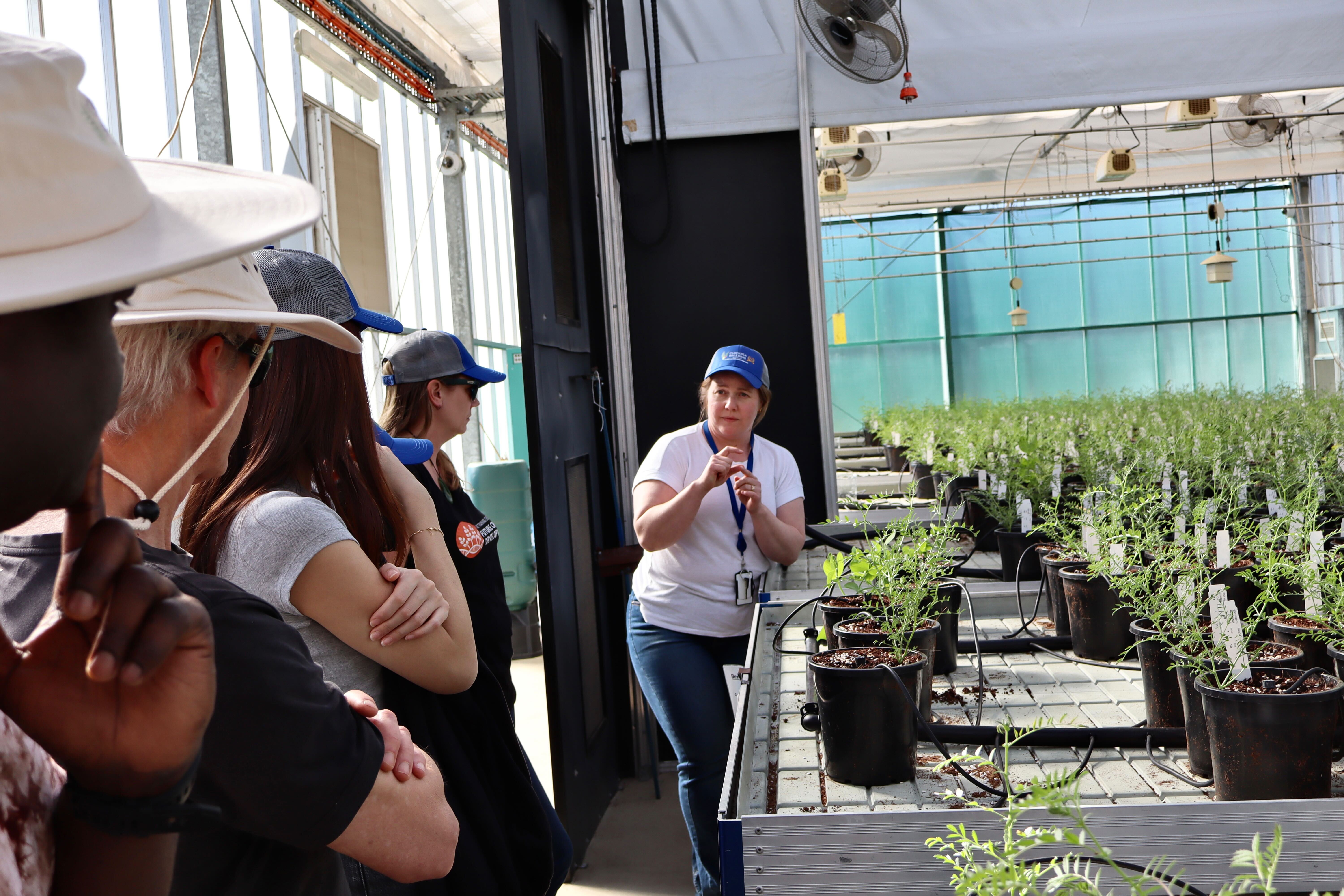
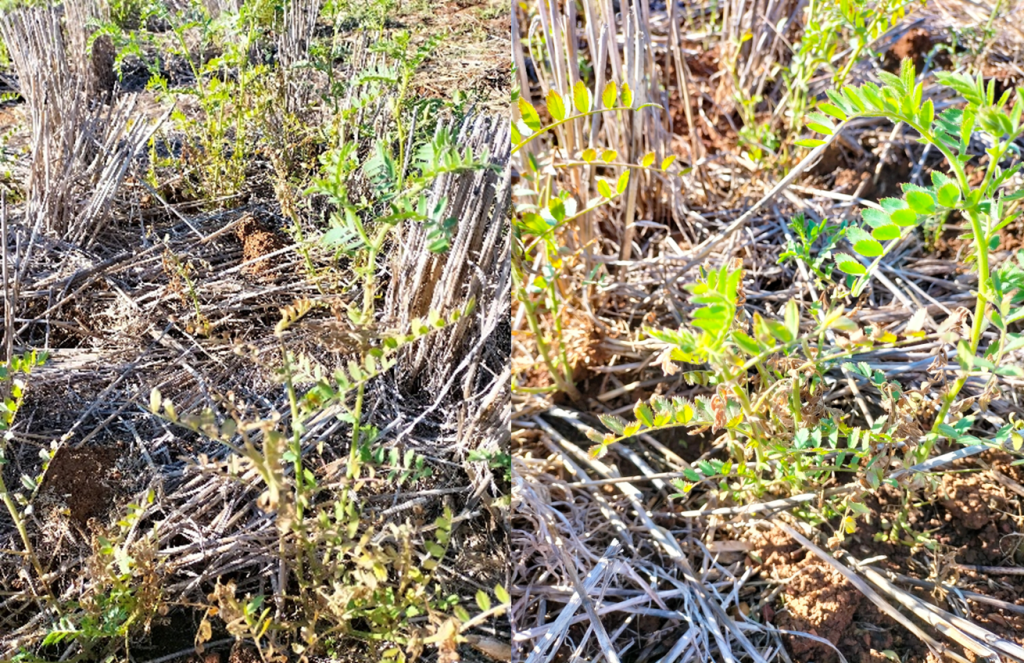
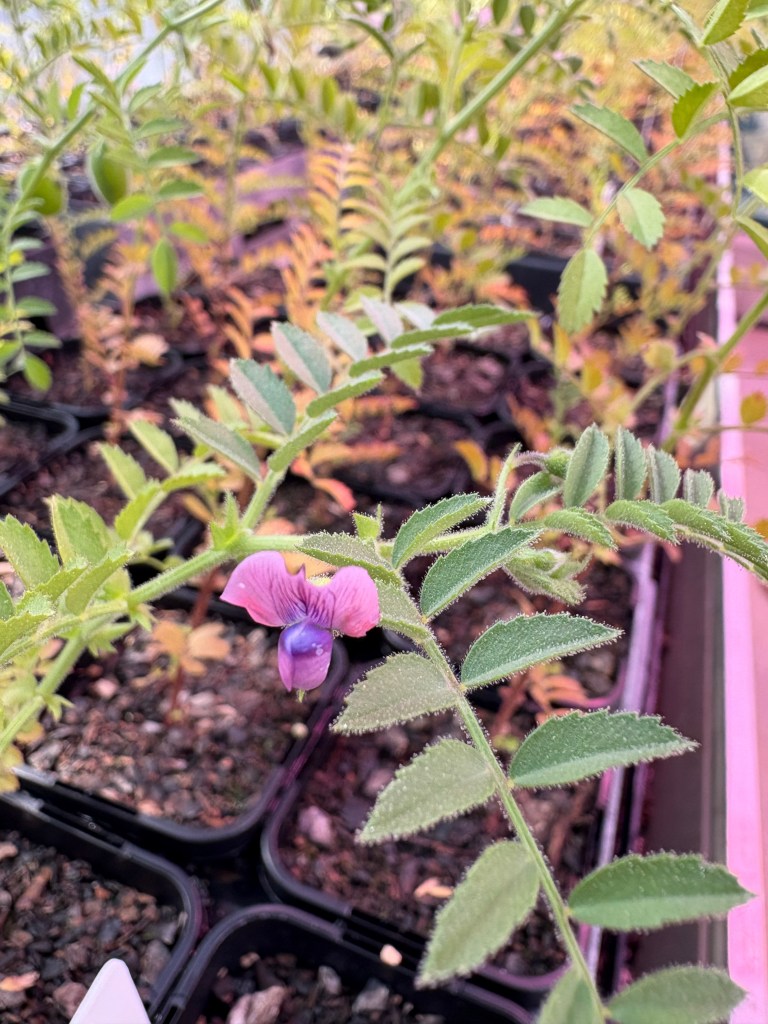
Among the biotic stresses, Ascochyta blight is one of the most devastating diseases of chickpea caused by Ascochyta rabiei, resulting in an estimated AU $4.8 million annual loss to the Australian chickpea industry. To combat this, the breeding team has screened wild relatives and identified resistance in a Cicer reticulatum accession, which has since been introgressed into cultivated lines. These lines are currently being evaluated for resistance under glasshouse conditions using virulent strains, with several lines showing susceptibility, whereas others displaying promising resistance (Top 2 photos).
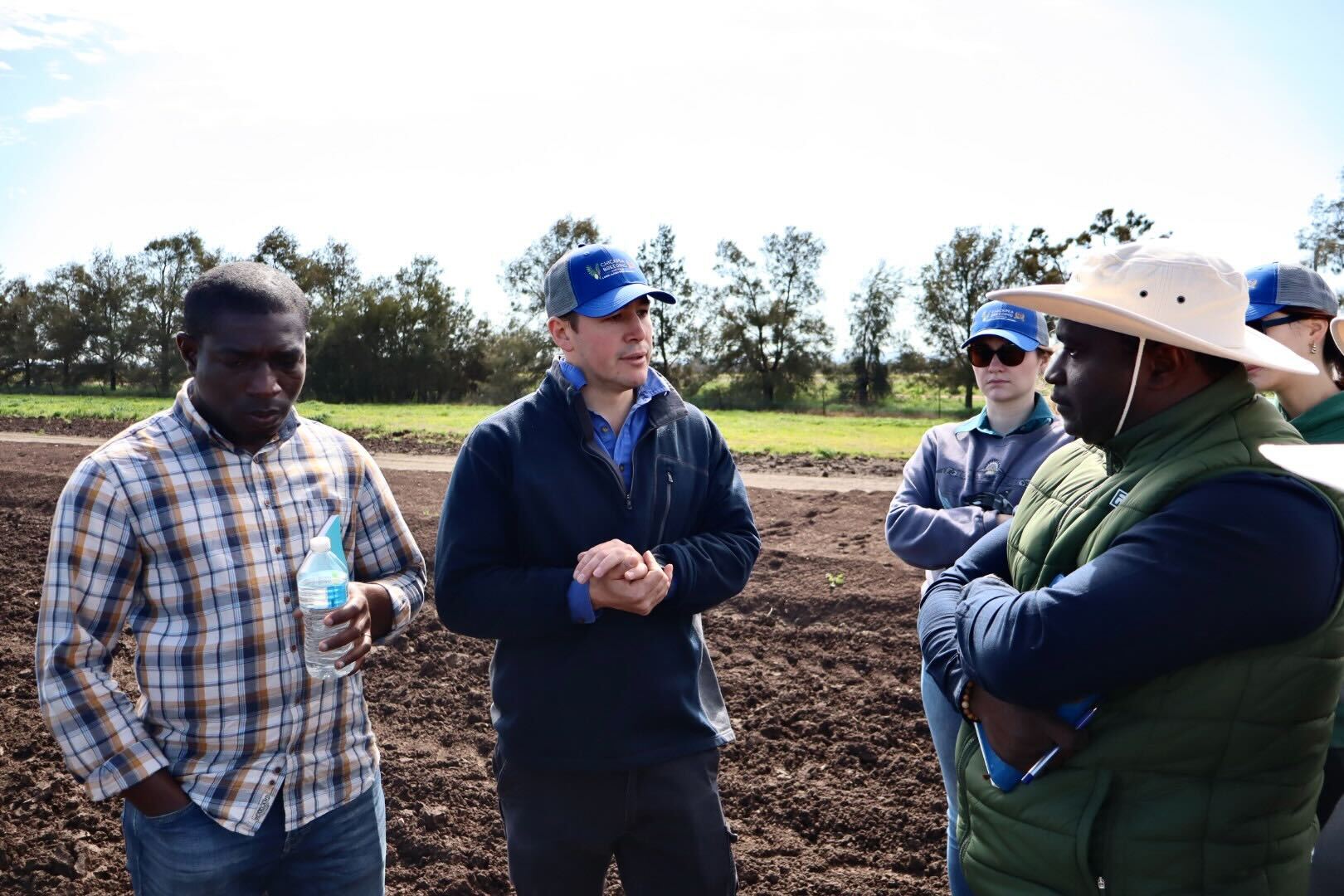
In parallel, cultivated chickpea lines are being tested in the field using previously infected stubble as inoculum, where high susceptibility is still evident (bottom photo).
This advancement underscores the significance of the Chickpea Breeding Australia program in the development of resistant cultivars, which will increase productivity and decrease dependence on chemical control, thereby reducing environmental risks.
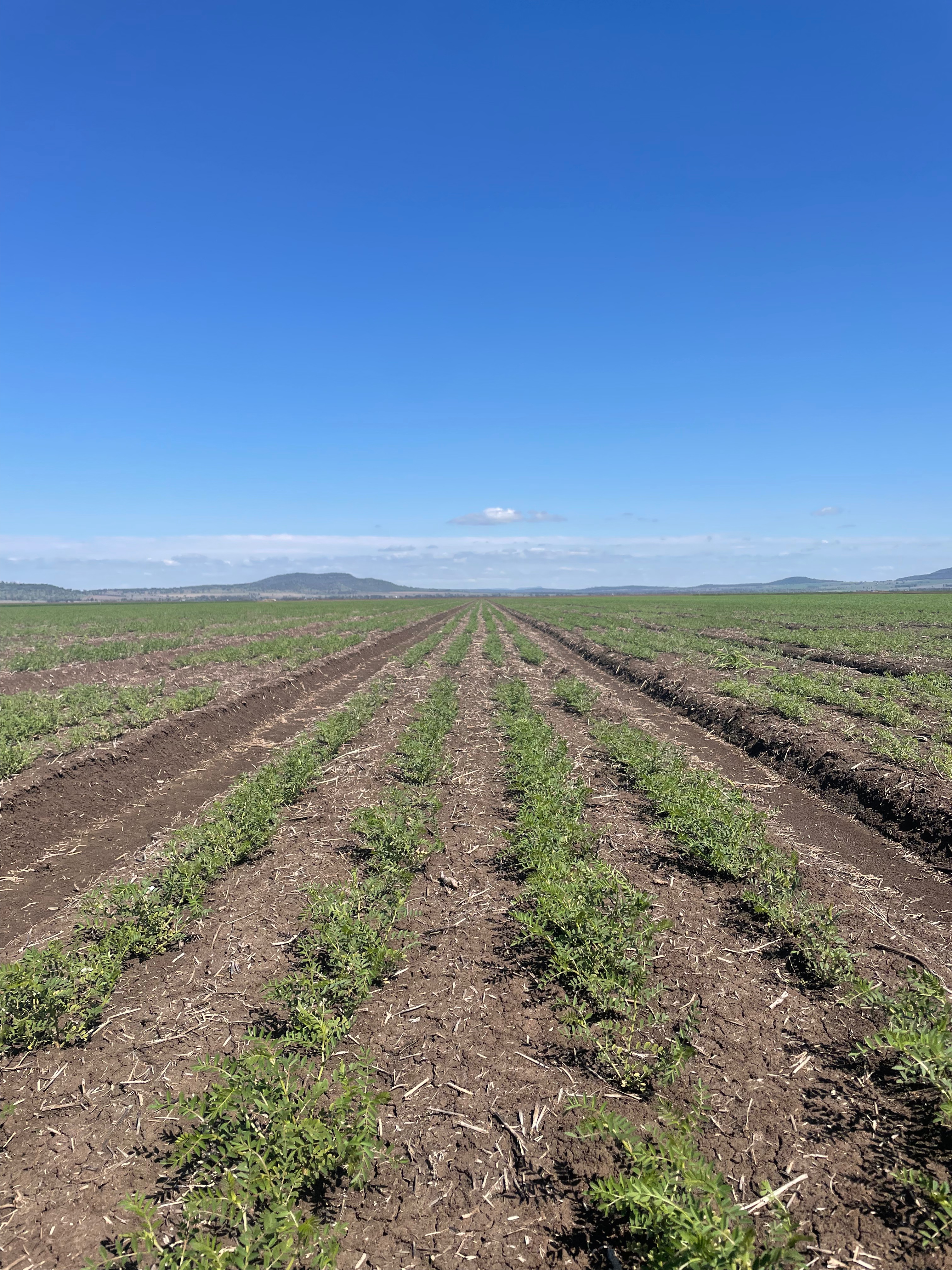
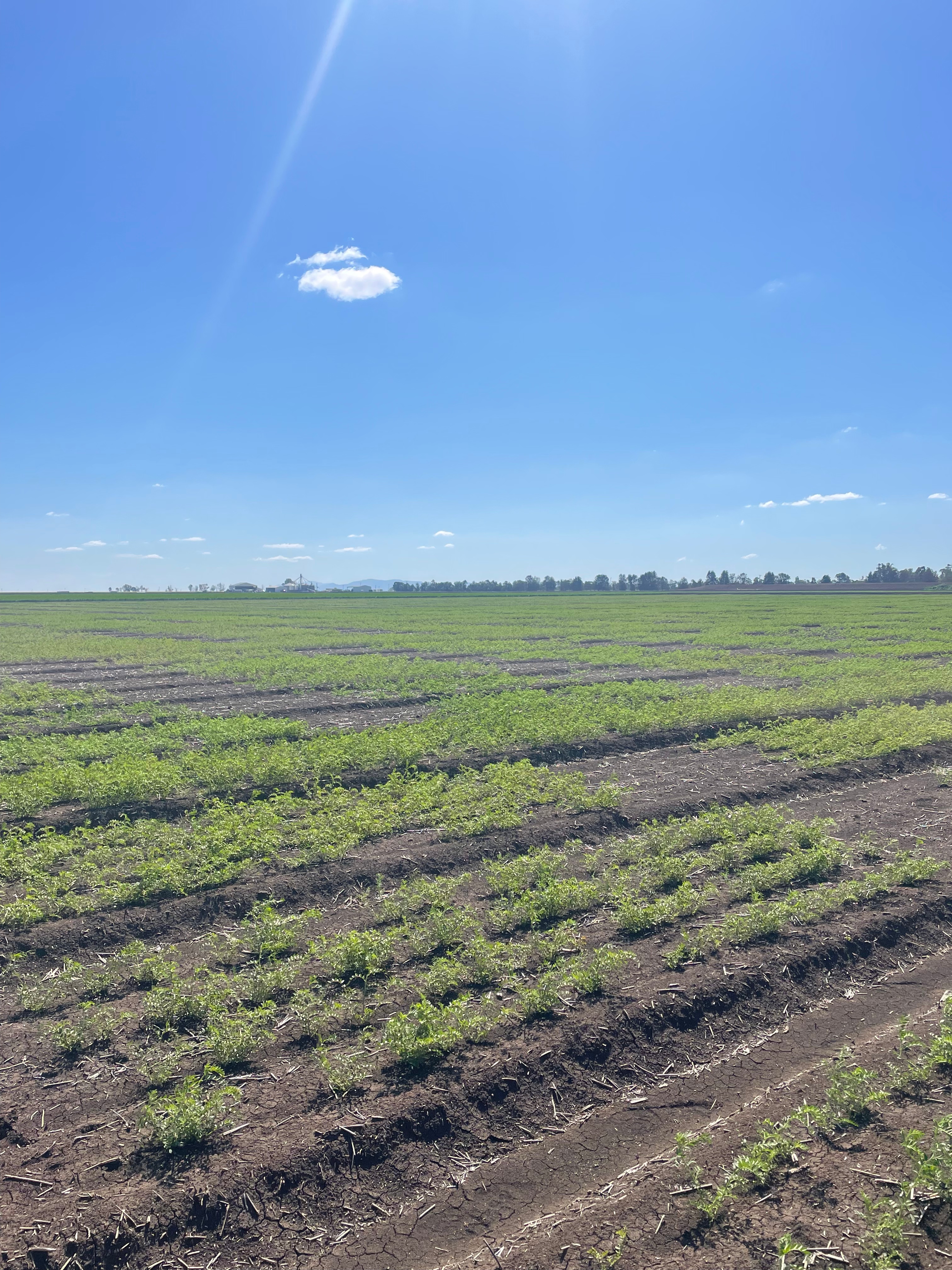
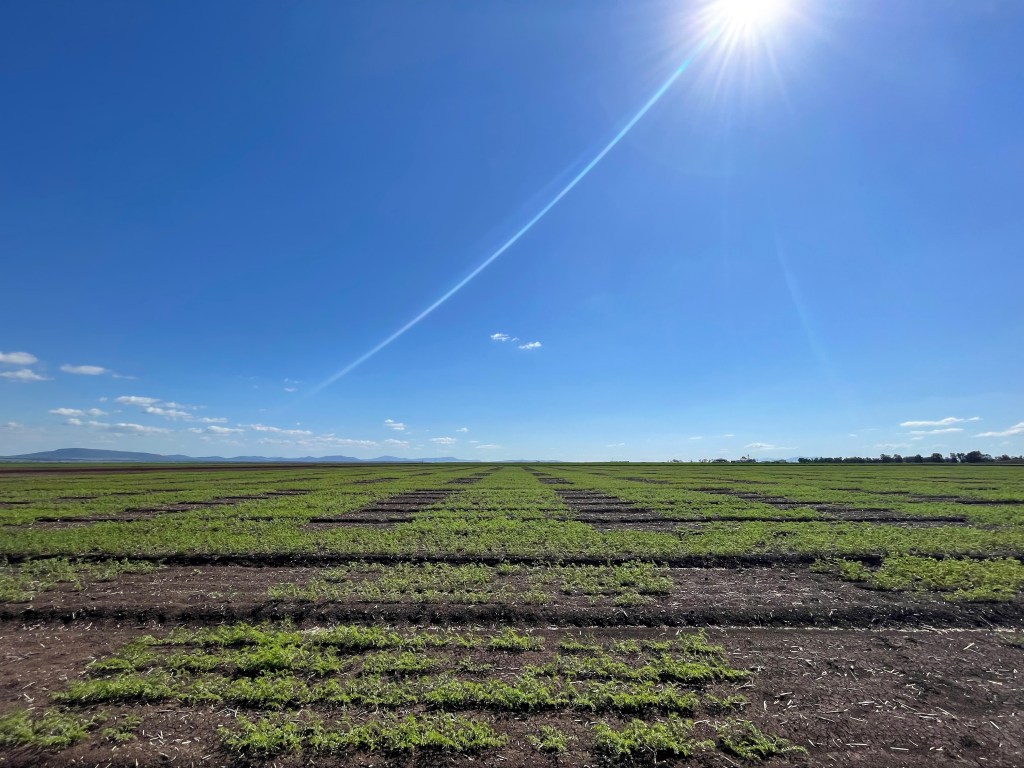
At the Breeza field site, we observed a chickpea heat tolerance field trial in action. In the northern chickpea growing regions of Australia, heat stress often coincides with drought stress during the grain-filling stage, with negative impacts on yield. While we (as research students) might traditionally use a temperature-controlled glasshouse to investigate heat tolerance traits in chickpea, large-scale field trials certainly can’t do the same.
It was fascinating to learn about their alternative approach – candidate chickpea varieties were planted at two dates, around one month apart. Chickpeas in the earlier planting date served as a “control” treatment whilst chickpeas in the later planting date would be exposed to a greater number of high temperature days & nights later in the year, generating a “heat stress” treatment. These trials were being monitored via hyper-spectral drone measurements – this technology allows for the collection of multiple different plant traits at regular intervals throughout the growing season, highly efficient!
“It was super exciting to see these chickpea field trials and we learnt about how experiments which may be straightforward in a laboratory setting require some out-of-the-box approaches when undertaken at a field scale. Thanks to Kristy and everyone at Chickpea Breeding Australia.”
Rose


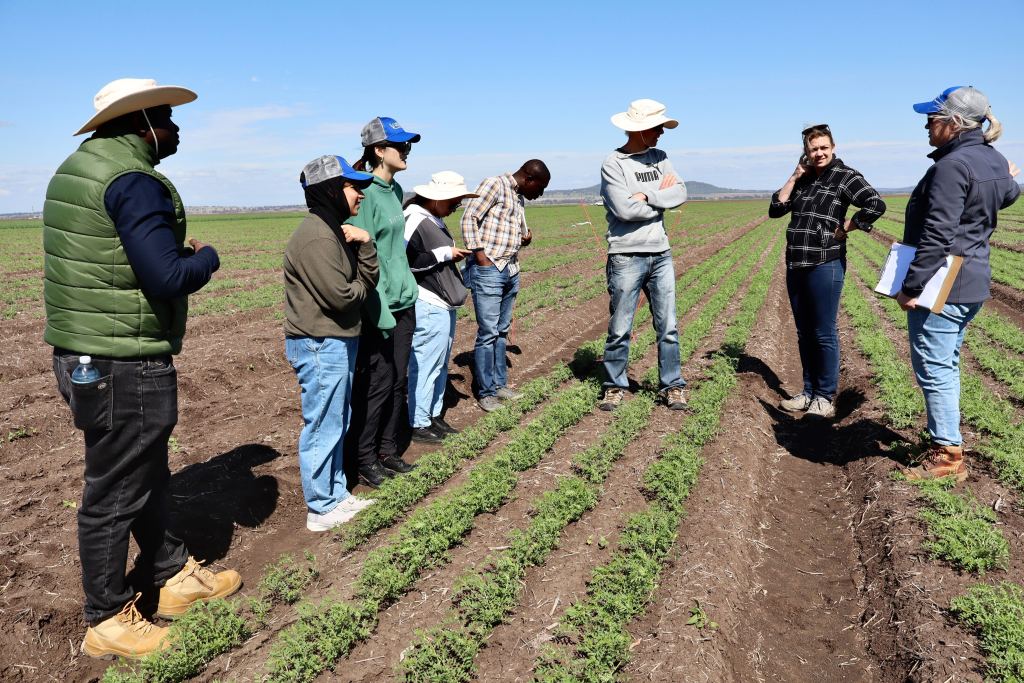
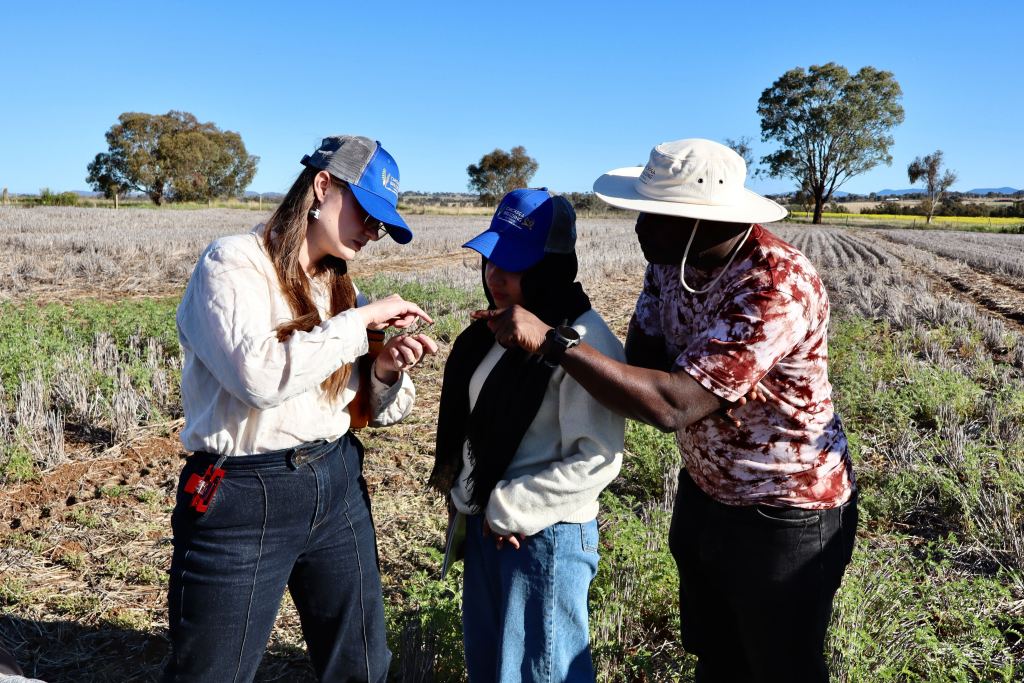
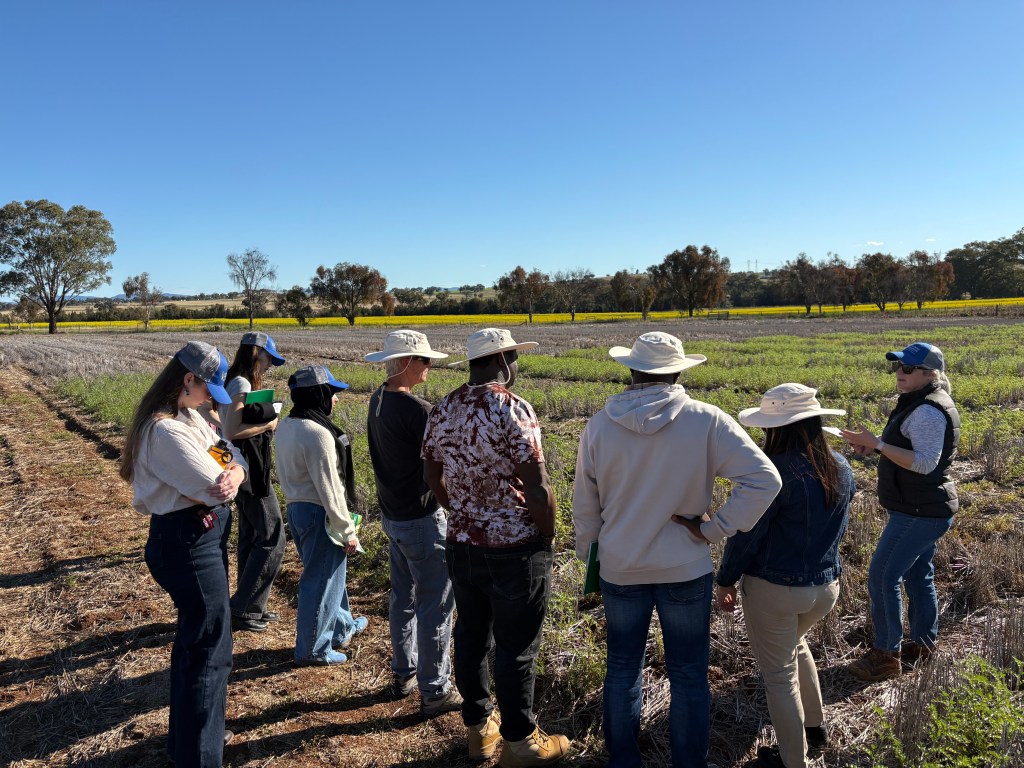

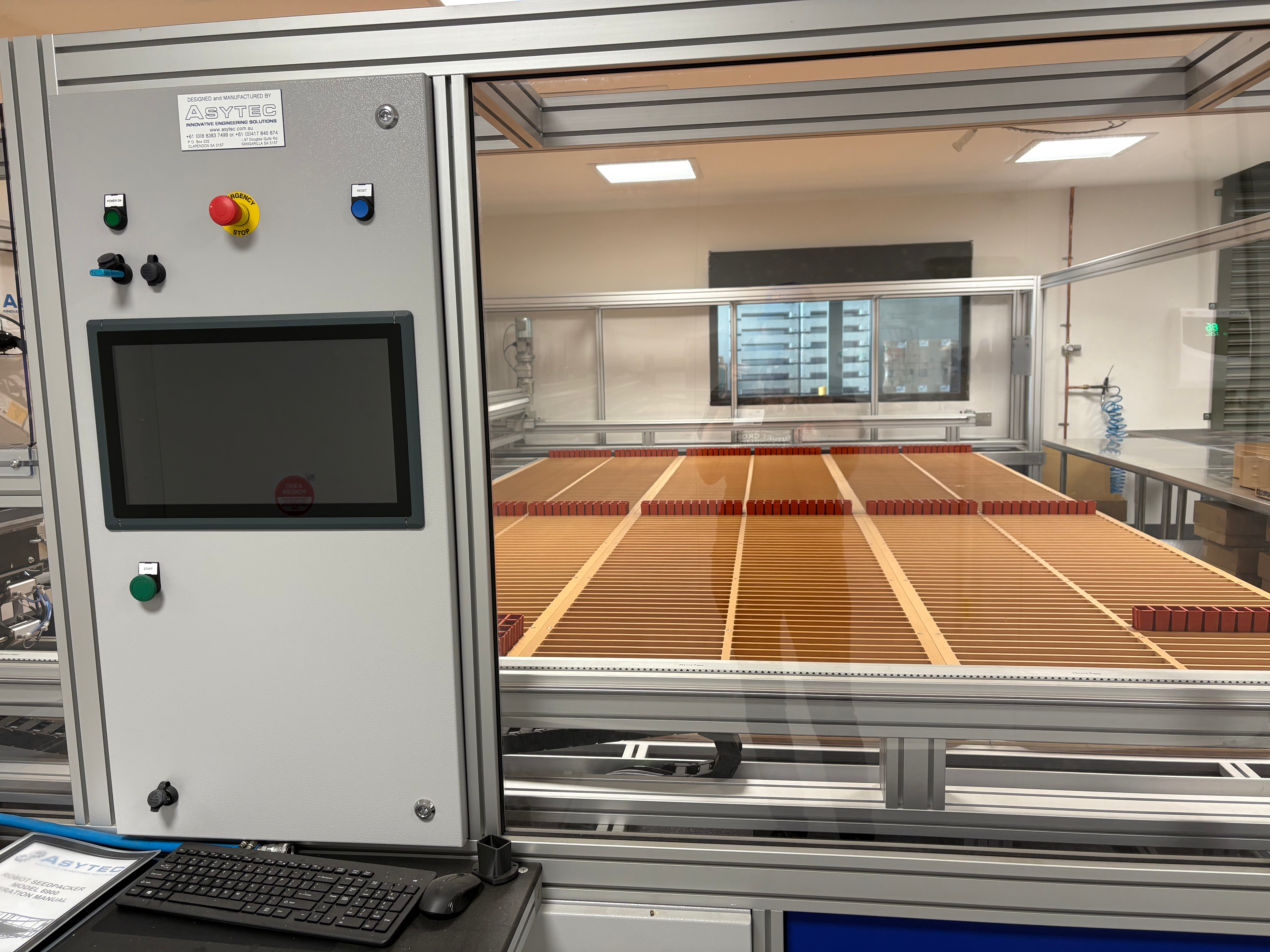
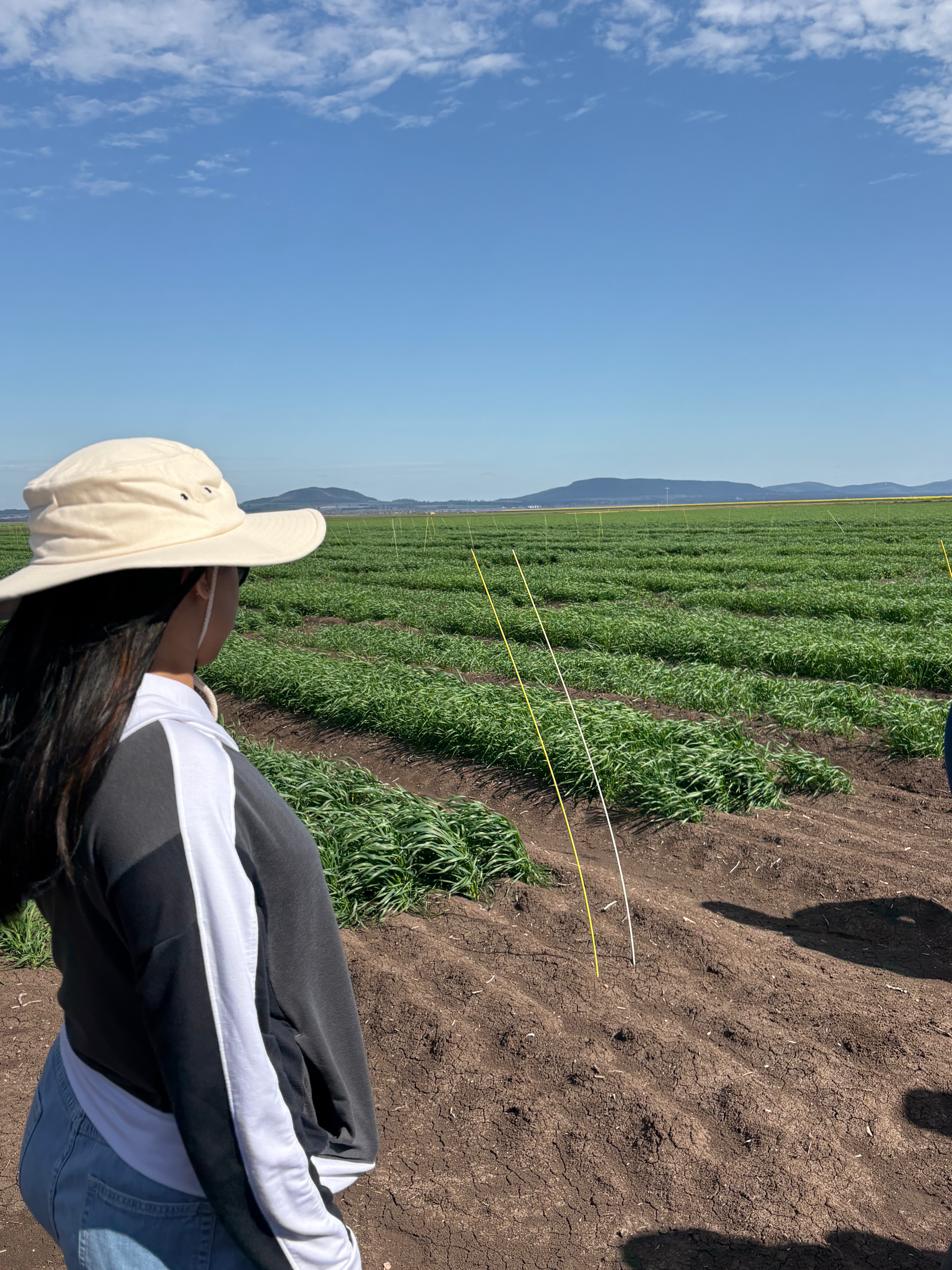
Alongside touring the Tamworth Chickpea Breeding Facilities, which showcased speed breeding capabilities, ascochyta disease resistance screening, advanced breeding efforts including field trials aimed at developing high-yielding desi and kabuli chickpea varieties adapted to Australian growing regions, we also explored the wheat trial (project supported by GRDC) at Breeza, NSW, led by Dr. Mitch Clifton.
This wheat trial focused on evaluating long coleoptile wheat varieties under varying sowing depths (up to 14 cm depth) and timings to better understand their adaptation within Australian grain systems. The significance of this research lies in its potential to enable growers to sow wheat deeper, accessing subsoil moisture and reducing dependency on unpredictable surface rainfall. This flexibility supports earlier sowing windows, which is increasingly critical as climate change alters rainfall patterns and farming scales.
By integrating long coleoptile genetics into commercial wheat varieties, the trial promotes enhanced crop establishment in dry or drought-prone environments, mitigating sowing risks while improving crop resilience and yield stability. These insights would guide best agronomic practices for growers and support developing standardised breeding benchmarks essential for the ongoing improvement of wheat well-suited to Australian conditions.
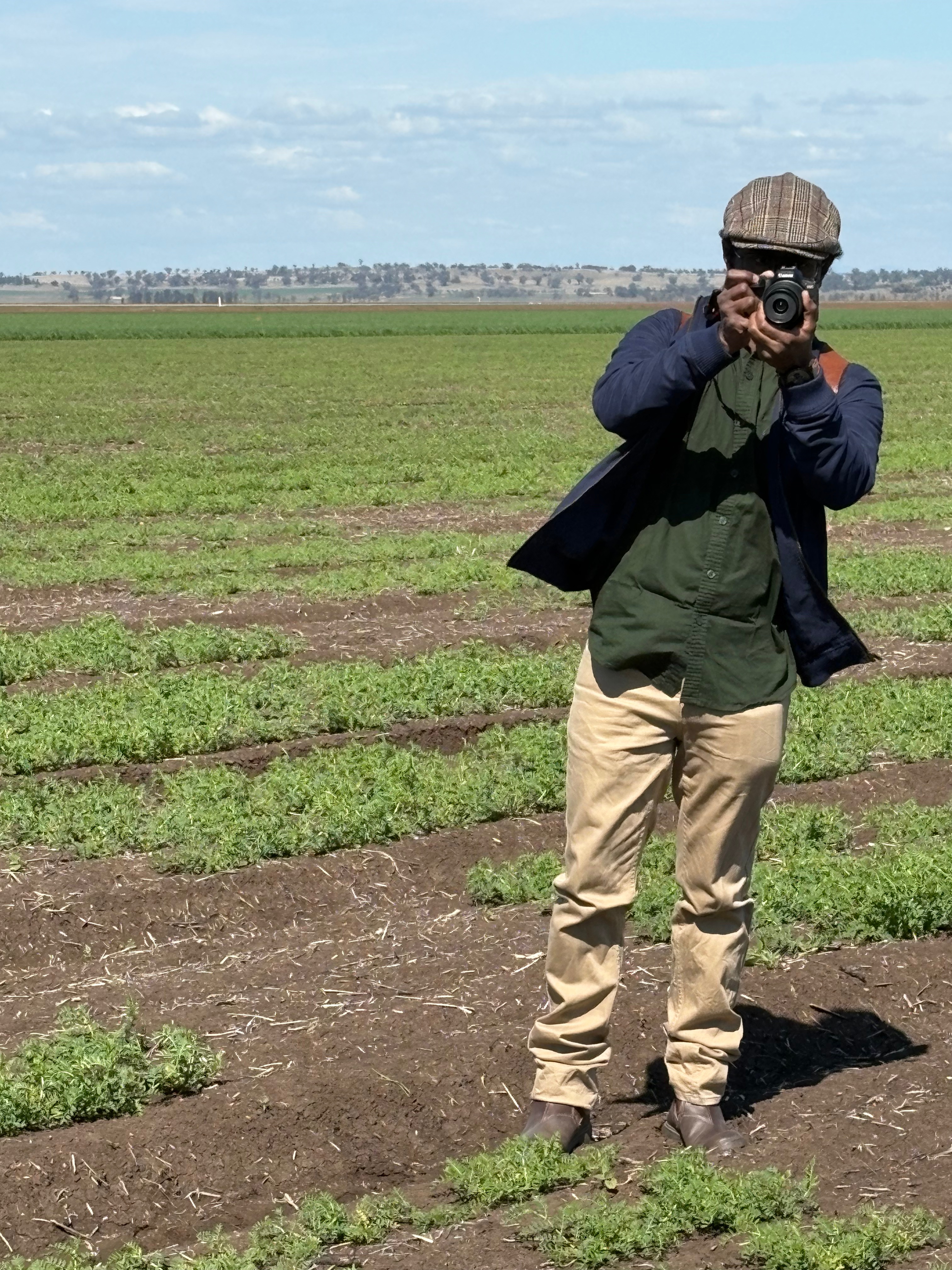
Thanks to Kristy for giving us all the tours and Lauren for arranging everything. Credit to Alex Jose for his wonderful photography on the trip.