
2nd Asia-Oceania International Congress on Photosynthesis

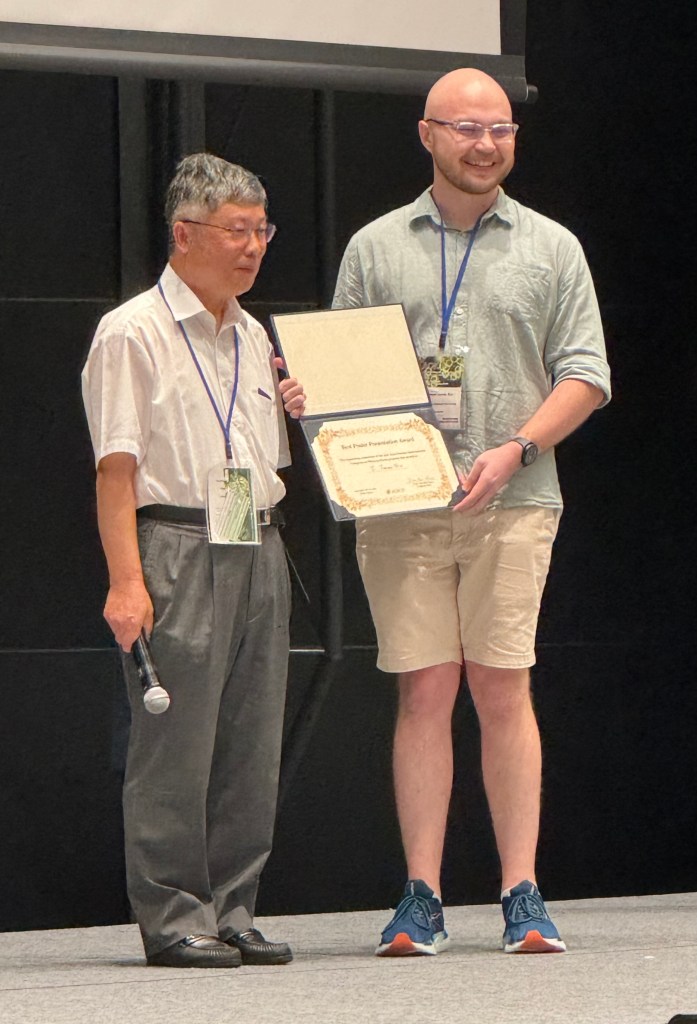
Barry and James attended the ASPS conference, held in Japan, where Barry gave a talk and James presented a poster.
Congratulations to James Nix who was awarded the Best Presentation Award!
Australian Society of Plant Scientist meeting
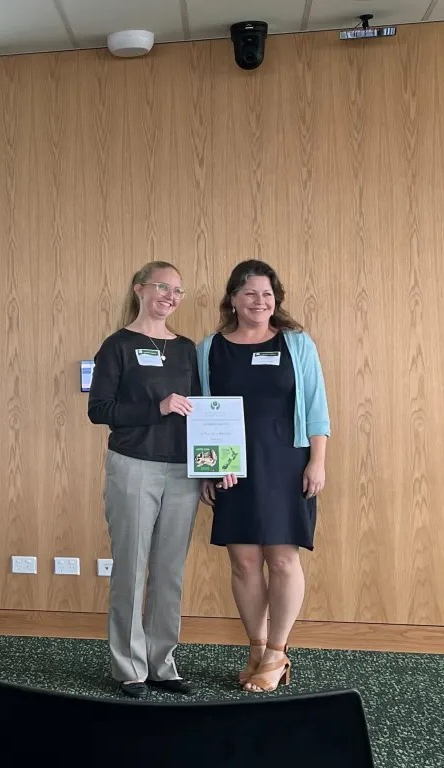
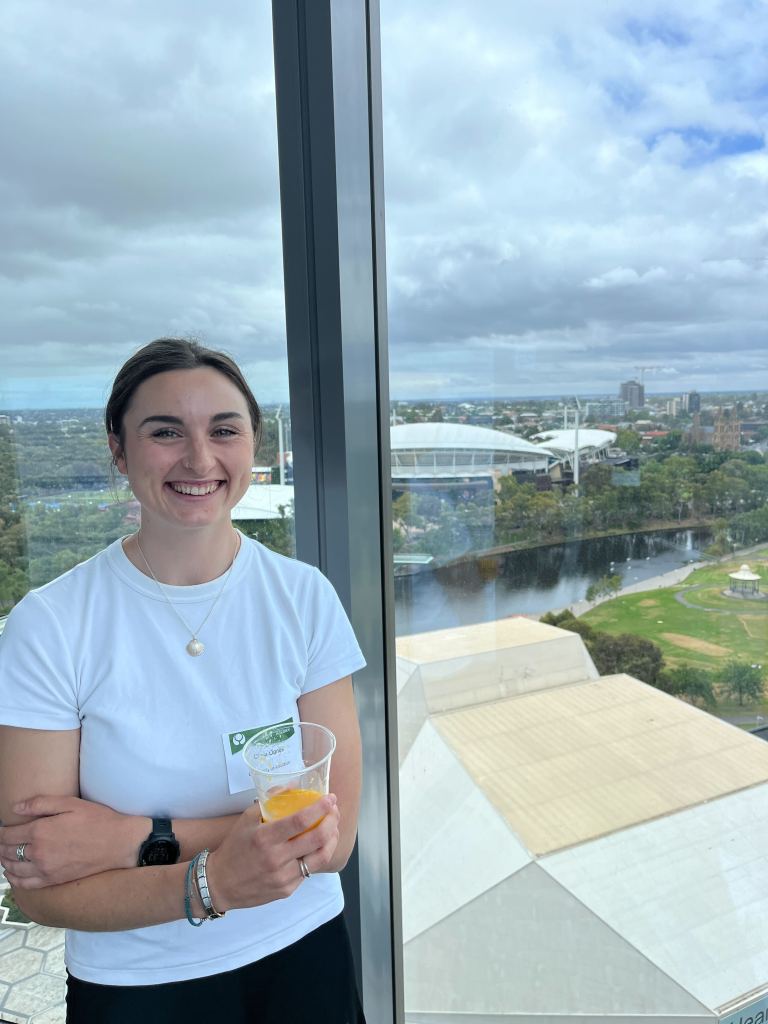
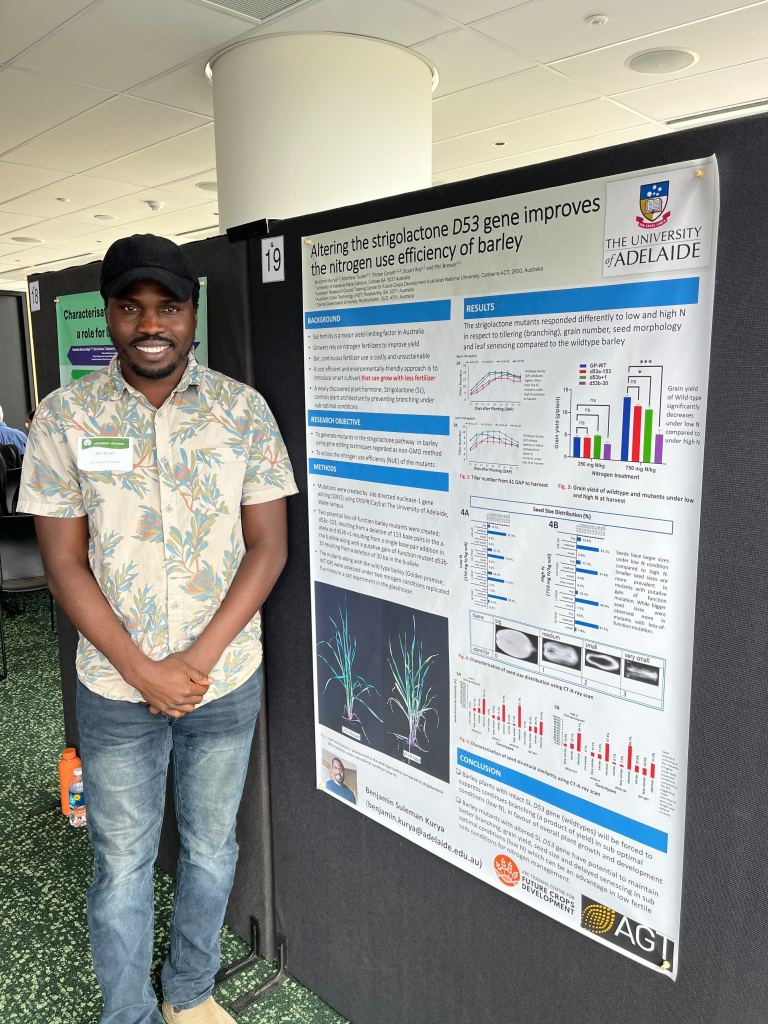
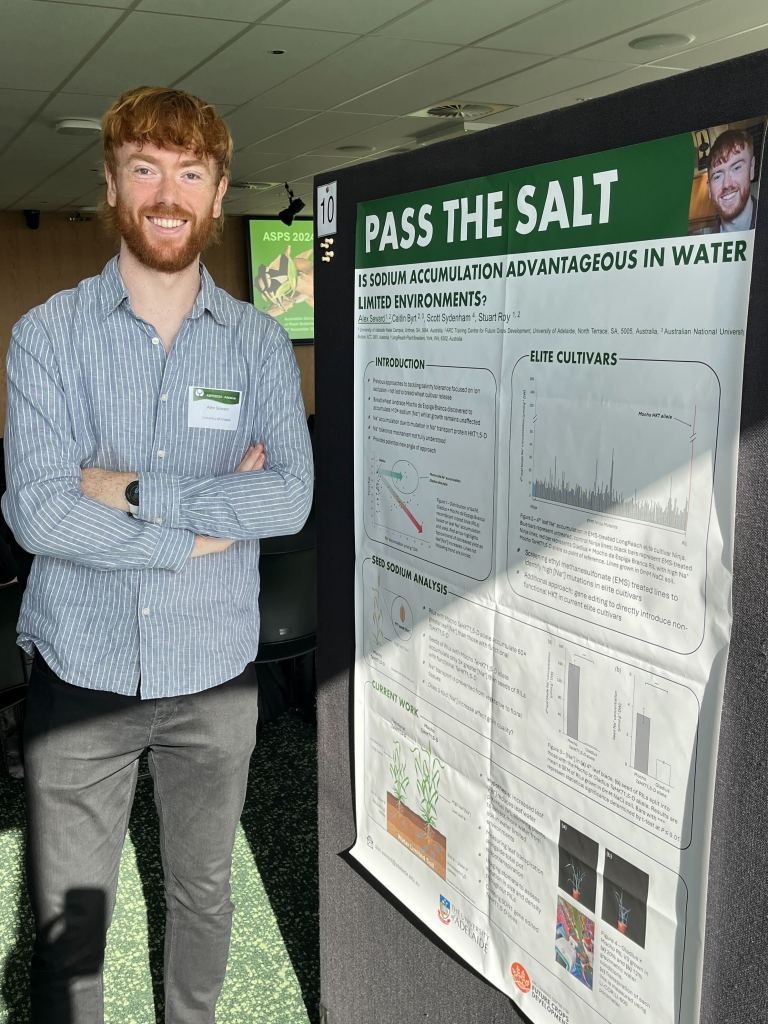
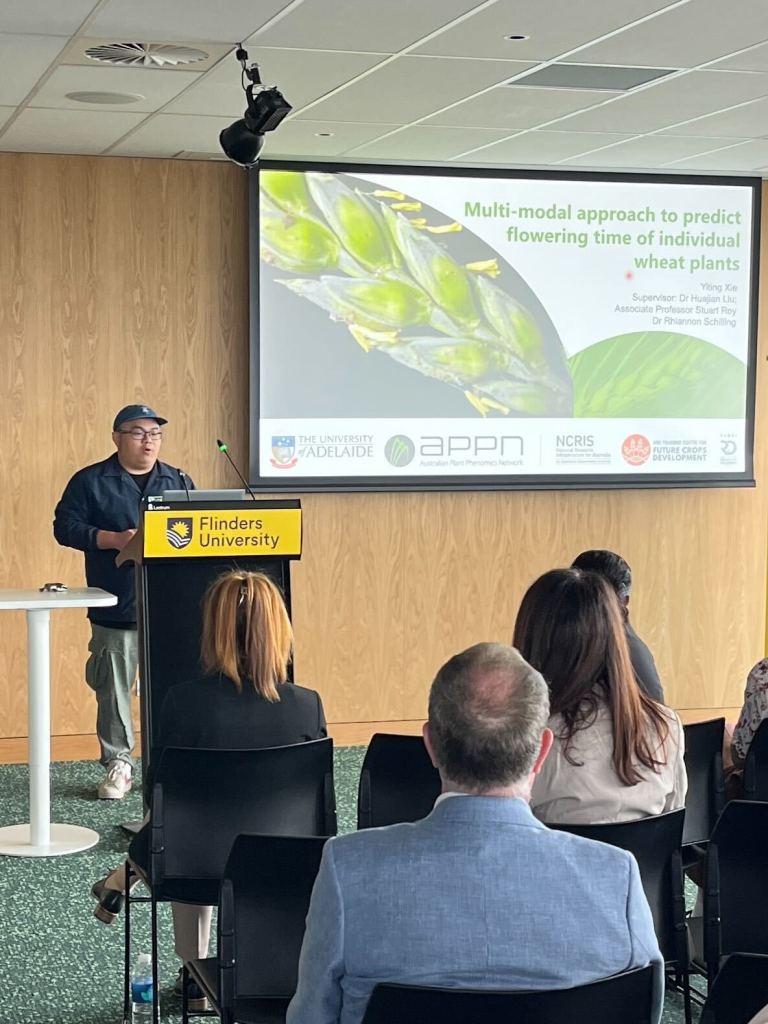
Yiting, Ciara, Ben, Alex, Stu, and Jenny attended the ASPS conference, held concurrently across Australia.
Congrats to ASPS 2024 award winners:
Jan Anderson Award – Jenny Mortimer
ASPS Education and Outreach – Benjamin Schwessinger and Ashley Jones
I had the privilege of attending the 2024 #ASPS hybrid conference in Adelaide on 28th October where I presented a poster. ASPS real time presentations from other locations across Australia and New Zealand were also a huge addition to my learning experience. It was a moment of learning and networking for me and I want to take this time to appreciate my wonderful Supervisors especially Stu Roy and the Training Centre for their continued support in my studies. The conference dinner was nice because I had the opportunity to eat my first ever dumplings. Recommended for future center meetings. Ben
International Conference on Legume Genetics and Genomics (lCLGG2024) – Edward Asare, Alex Jose, Ulrike Mathesius
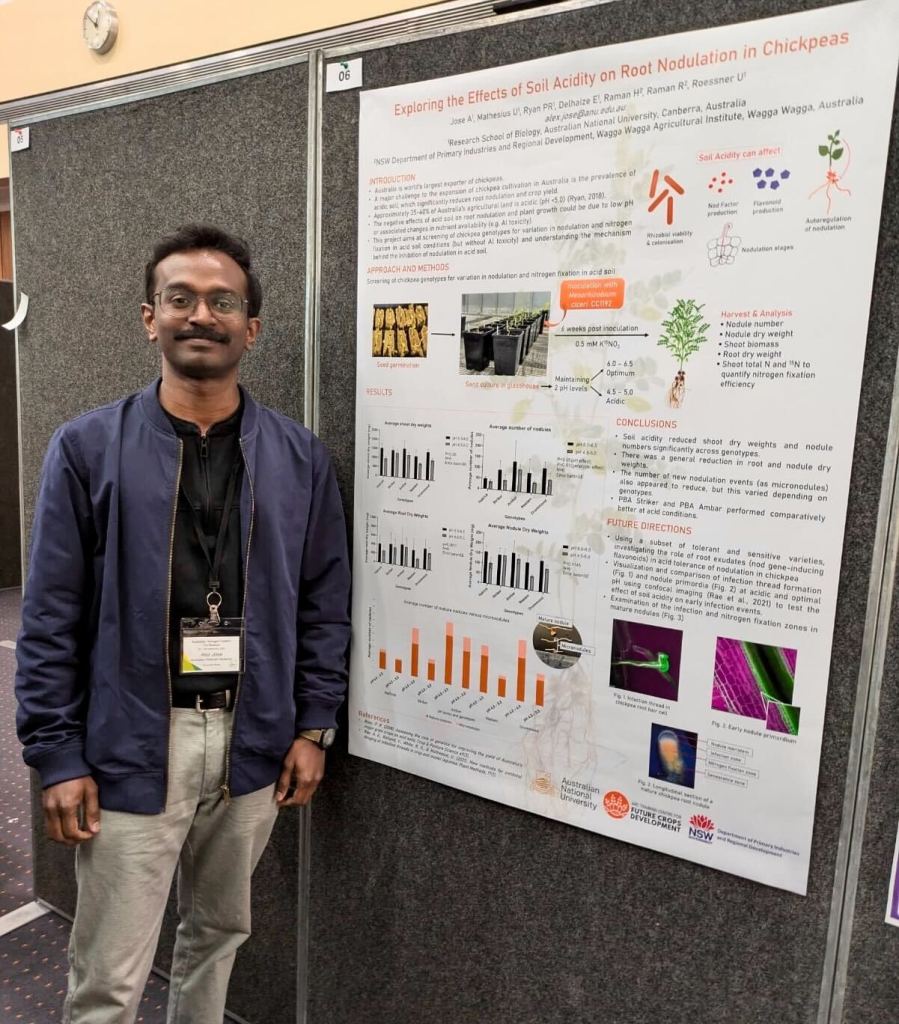
Edward, Alex and Uli attended the International Conference on Legume Genetics and Genomics was held in Brisbane between 30th October – 3rd Nov.
The conference focused on the utilisation of genetics and genomics approaches that are being used to identify genes that regulate traits of agricultural significance in legumes. These techniques are crucial for the development of climate-resilient legumes with enhanced nutritional qualities to meet the current market demands. Researchers in this field provided insight about some achievements made for far in this field. For instance, the development of insect resistant cowpea (GM) genotype, which has been approved and is being grown in the Northern region of Ghana and some parts of Nigeria.
At the end of September, I attended two conferences in Brisbane: ICLGG and the 19th Australian Nitrogen Fixation Conference (ANFC). I had presented my posters at both conferences. These were excellent opportunities for me to meet experts in the field from Australia and around the world, showcase my research at the Centre, and receive valuable feedback and suggestions. I made many connections from academia, industry, and also other research students. Novel trends in legume genetics, like pangenome analysis, were a key highlight of the discussions at ICLGG. Meanwhile, ANFC served as a platform to review the current state of nitrogen fixation research in Australia. Alex

International Plant Phenotyping Symposium – Yiting Xie and Bettina Berger

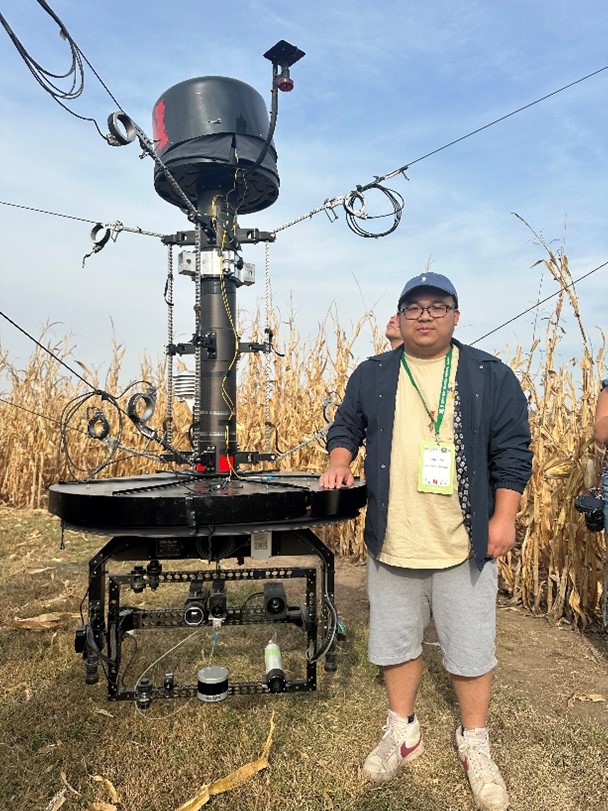
Yiting and Bettina attended the International Plant Phenotyping Symposium in Lincoln, USA. Yiting presented his work developing machine learning approaches for assisting with GMO field site compliance.
Congratulations to Yiting, who had won an International Plant Phenotyping Network travel grant.
I attended the 8th International Plant Phenotyping Symposium in Lincoln, Nebraska, USA, in early October. At the conference, I presented a poster on my PhD research focused on predicting wheat flowering times. Engaging with the audience was enriching; I answered various questions and received valuable feedback and suggestions that will significantly enhance my research. I also explored new phenotyping techniques, including innovative root system studies, which are a focus for many students at our center. Additionally, I learned about numerous novel phenotyping technologies and equipment, like the Spidercam, alongside new datasets and current industry trends. Attending this conference further refined my research approach. Finally, I want to thank my supervisors, the ARC Training Centre for Future Crops Development, and the University of Adelaide for their support. I am honored to have received a travel grant from the International Plant Phenotyping Network. Yiting
Australian Functional Fungi Initiative – Rita Tam
Rita had the opportunity to tutor at the first Fungal Bioinformatics Workshop co-hosted by Bioplatforms and Galaxy Australia as part of the Australian Functional Fungi Initiative. Very diverse and friendly audience working on various fungi.

IWC International Wheat Congress

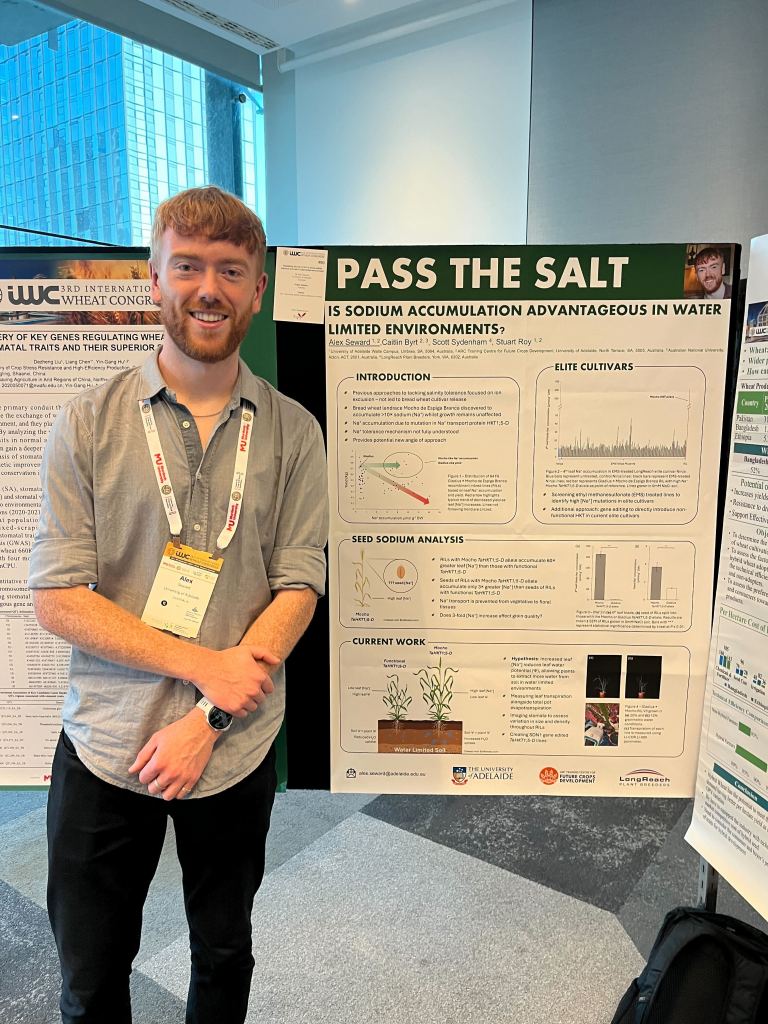

Bettina, Alex, Carrie, and Stu attended the Wheat Congress in Perth. Bettina chaired the abiotic stress session, Carrie gave a talk, and Alex presented his poster!
Afino and EurSafe – Chris Wenzl, Emily Buddle, Rachel Ankeny
With generous funding from the University of Adelaide, including support from the School of Humanities HDR Research Grant, the AGRS Travel Grant, and a Travel Award from the Future Crops Centre, Chris Wenzl had the opportunity to attend two conferences in Europe this August and September: Afino International Conference on Responsible Research and Innovation in Oslo, Norway, and EurSafe in Ede-Wageningen, the Netherlands. Both events offered invaluable platforms for knowledge exchange and networking within the fields of food ethics and innovation.
At AFINO, Chris presented her research on “The Intersections of ‘Sustainability’, Dietary Lifestyles, and Gene Technology in Australia.”, which sparked engaging discussions, providing Chris with thoughtful feedback and new perspectives from international peers. Emily Buddle gave a co-authored paper (with Profs Rachel Ankeny and Joan Leach) entitled “Reflecting on fostering reflexivity for crop scientists in an interdisciplinary training centre using journalling,” and Prof Rachel Ankeny presented “What Makes Study of Disagreements about Biotechnologies Responsible? Lessons from the Case of Golden Rice” co-authored with Emily.


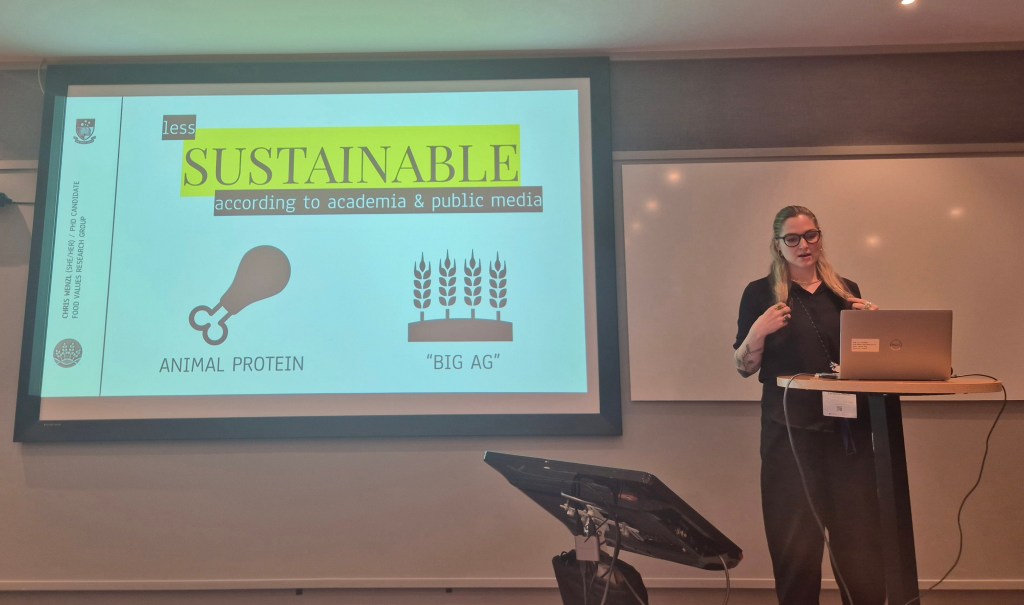

Although not a presenter at EurSafe, Chris participated actively in workshops and panel discussions, deepening her understanding of global perspectives on food ethics and responsible and inclusive innovations. The conference provided excellent networking opportunities particularly to meet those working on RRI- related topics in Europe and to bring the training centre’s work to a wider audience. And the view across the fjords wasn’t bad either.
These experiences not only enriched Chris’s ongoing research through critical feedback but also expanded her professional network, fostering connections with both leading scholars and emerging researchers in the field
GRDC’s National Investment Week meetings – Neelam Gogoi
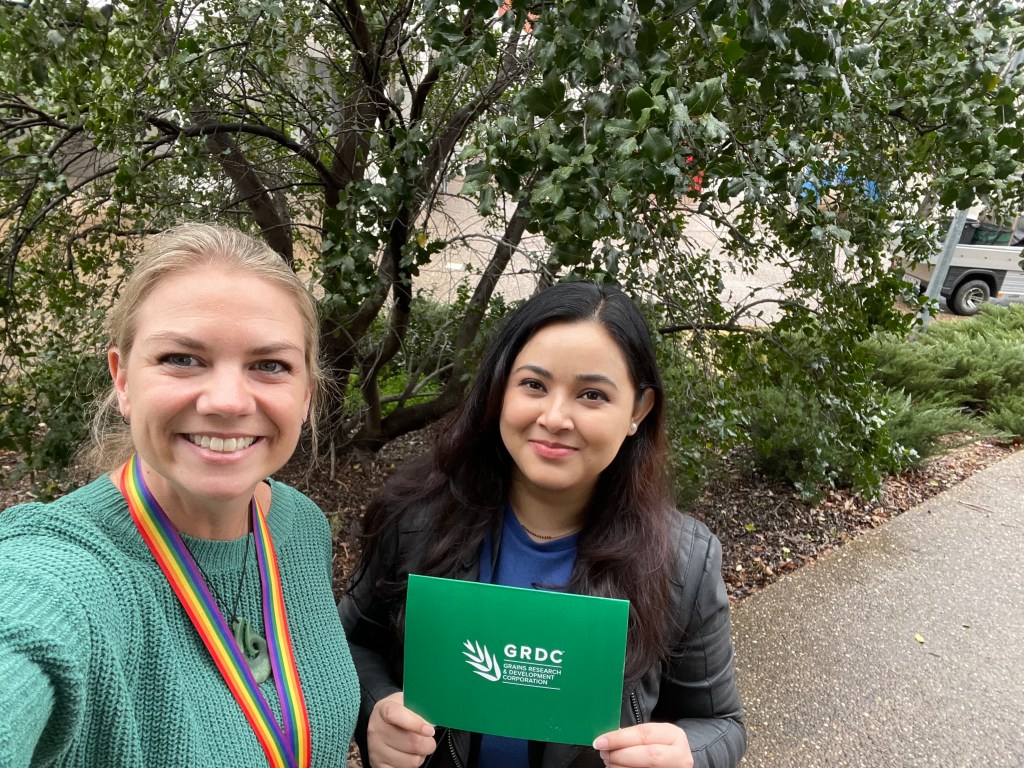
Congratulations to Neelam Gogoi who was invited to present recently at GRDC’s National Investment Week meetings in Canberra.
Neelam presented on nanotechnology and potential future applications and there was quite a bit of discussion and interest in the break following.
Intergrain Student conference – July
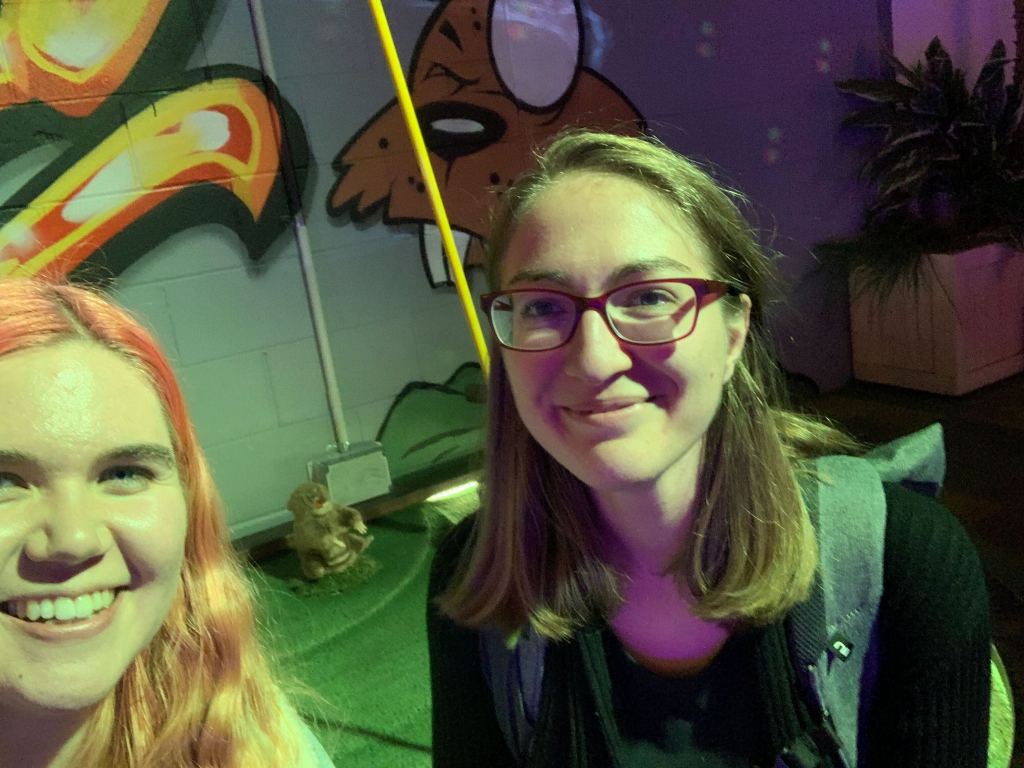
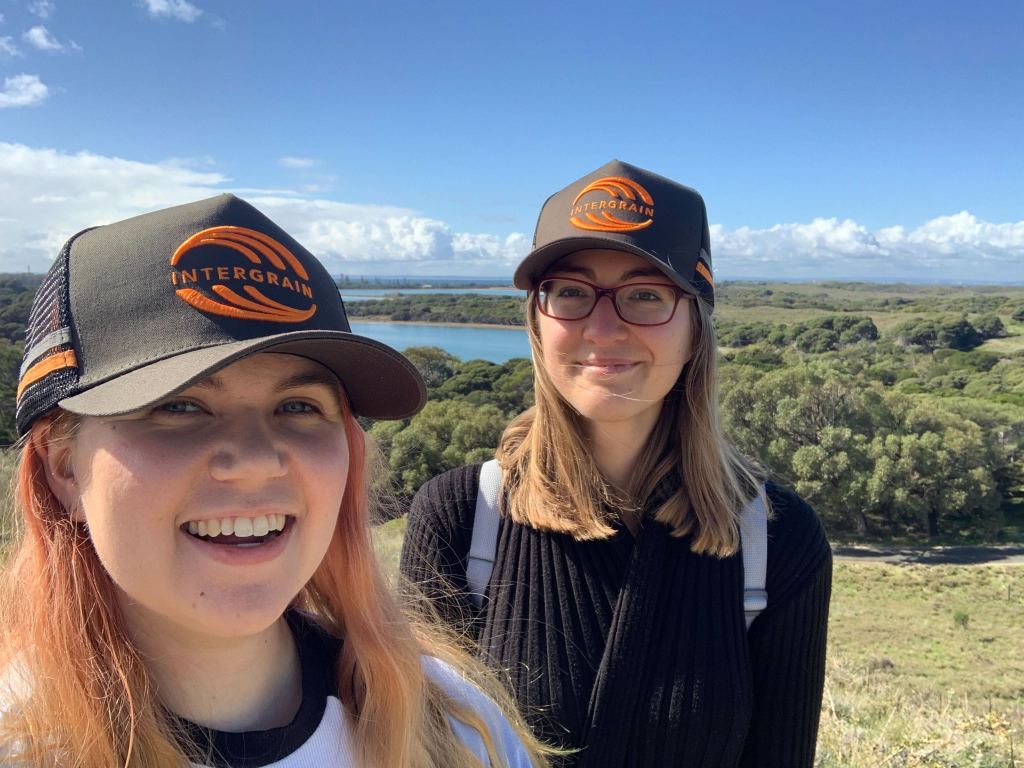
Rebeccah Tyrrell and Zuzana Plšková visiting InterGrain facilities in Fremantle, WA, in July where they also presented.
The buildings are very old and pretty here and the InterGrain facilities are super cool! Interesting to hear more from breeders about what they and farmers want and they have lots of cool robots and tech to do everything from speed potting and sowing seeds on a conveyor belt to quality measures like making noodles and bread! Also cool to hear about what other students partnered with InterGrain are doing! We are all going to play mini golf together shortly. – Rebeccah

Innovation Generation Conference – Lucy Darragh
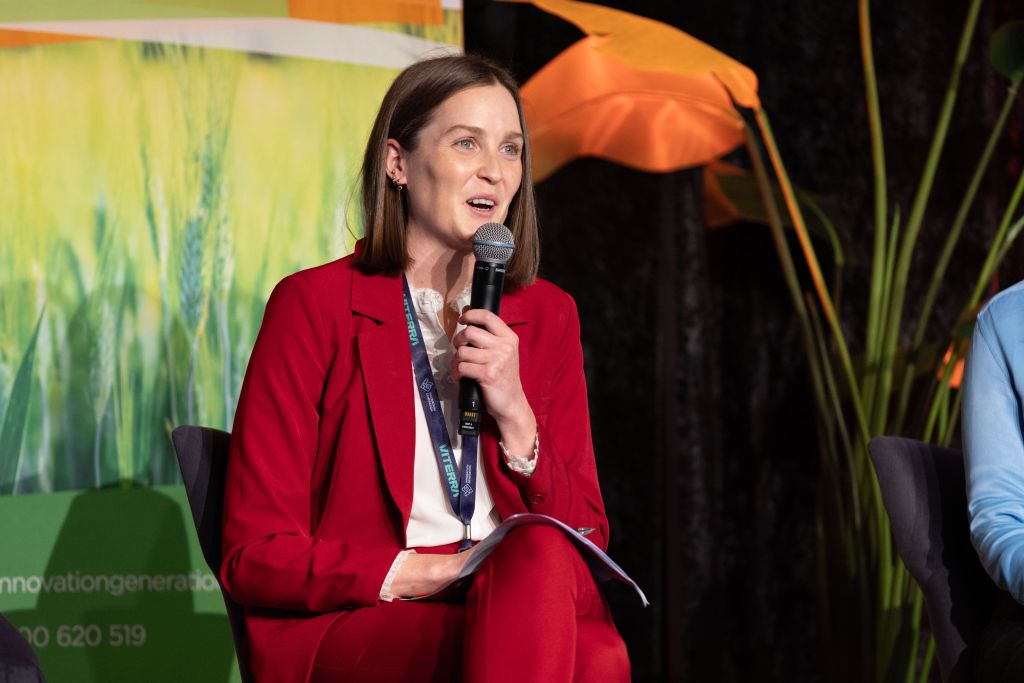

Top: Lucy Darragh in the panel discussion. Bottom: Lucy Darragh and Vy Pham
Diversity and inclusion can be a powerful catalyst for innovation. Recently, Lucy Darragh participated in a revealing panel discussion at the GrainGrowers Innovation Generation Conference on the Gold Coast, alongside Kimberly Pellosis (Ag Institute Australia), Rebekah Starick (GRDC), led by Roma Christian Rahmé (GrainGrowers). The discussion focused on the critical role of women and diversity in driving innovation in agriculture.
During the discussion, Lucy highlighted that Australian agriculture boasts extraordinarily diverse sectors, perspectives and experiences that arise from differences that exist across gender and sexual identities, neurodiversities, ethnic identities, cultural backgrounds, socio-economic status, disciplinary background, career stage, age, and people living with disabilities. But these are sometimes hidden.
“When we ask questions about promoting equity and empowerment, we need to ask more broadly about strategies for promoting inclusive leadership practices and challenging biases within the agriculture sector. Representation is just one aspect of the complex factors that influence aspirations, choice, progression and opportunity.
“We need to acknowledge and address the underlying structural inequalities that create and sustain systemic barriers and inequalities that impact participation and pathways in our Ag industries. To do this, we need to consider how different factors regarding diversity intersect to shape the experiences of women and other marginalised groups, and be open and willing to listen to how we can improve these experiences.”
When asked what strategies could be prioritised to address some of these challenges, Lucy noted that developing content and initiatives respectfully and in non-tokenistic ways is a fundamental challenge that requires one to have empathy, and the ability to see things through another person or group’s eyes.
Australian Barley Technical Symposium – Ben Kurya, Carrie Shen, Stuart Roy, Matt Tucker
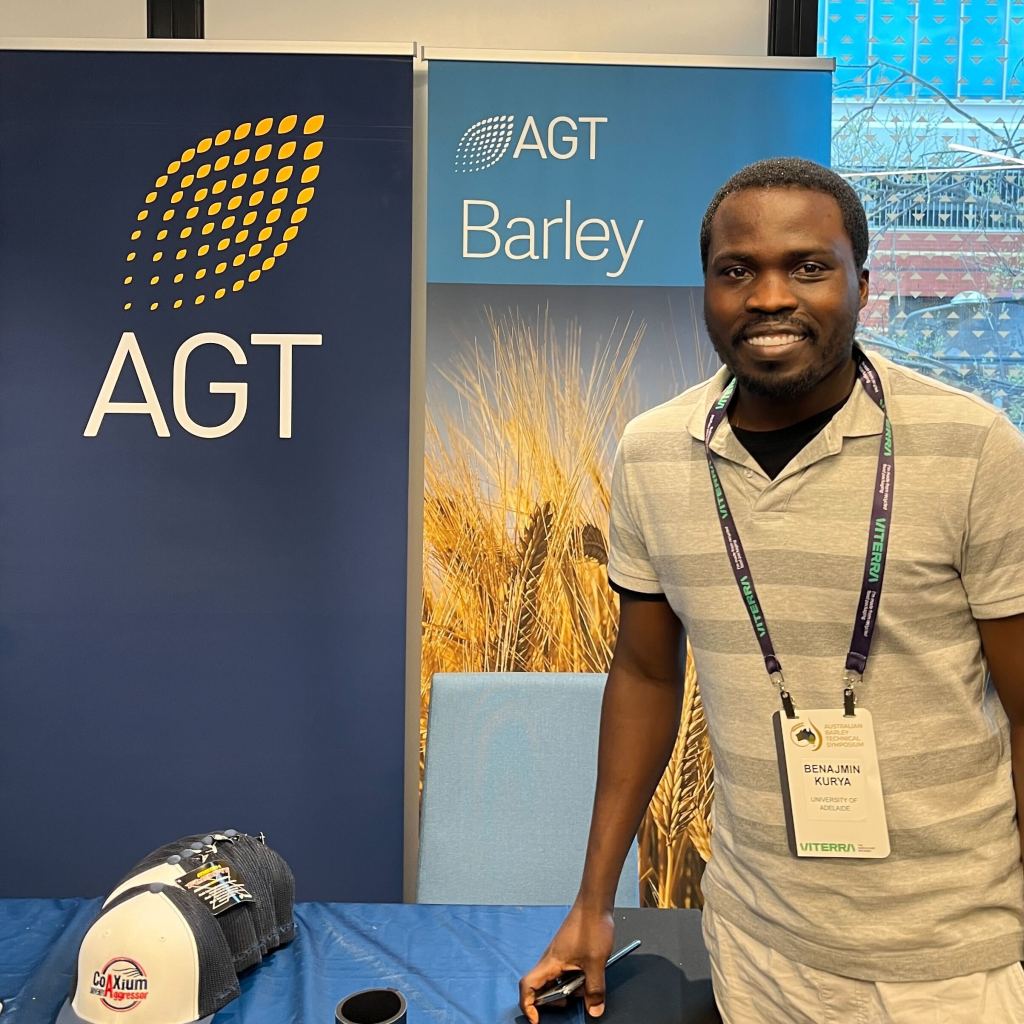
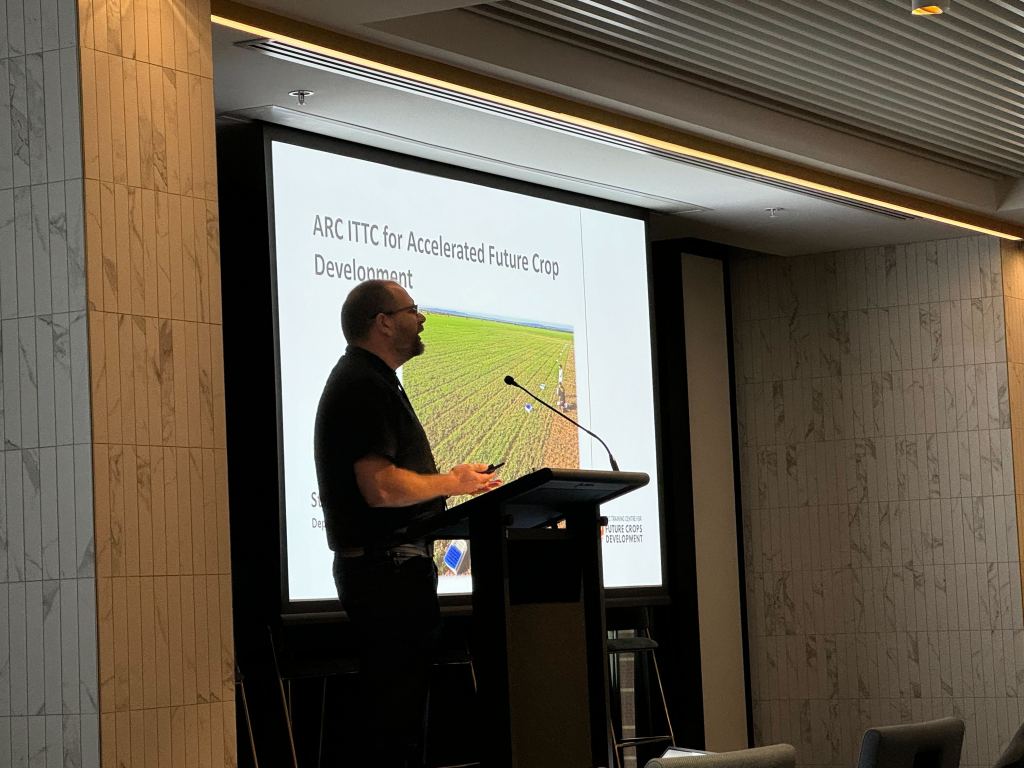
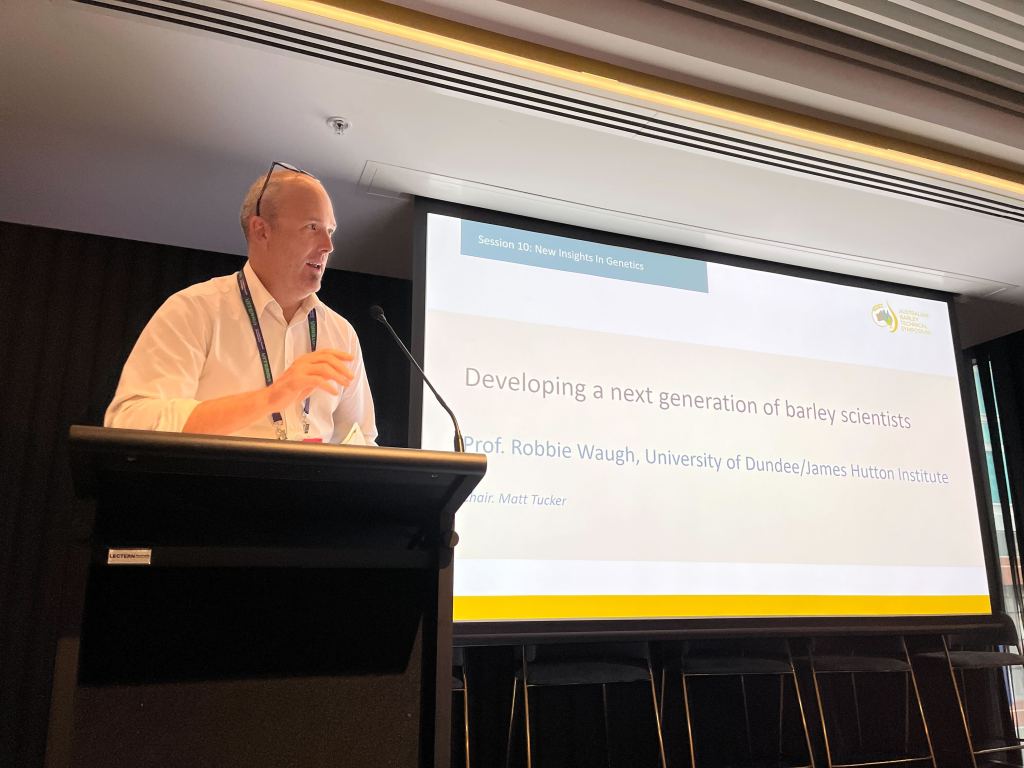
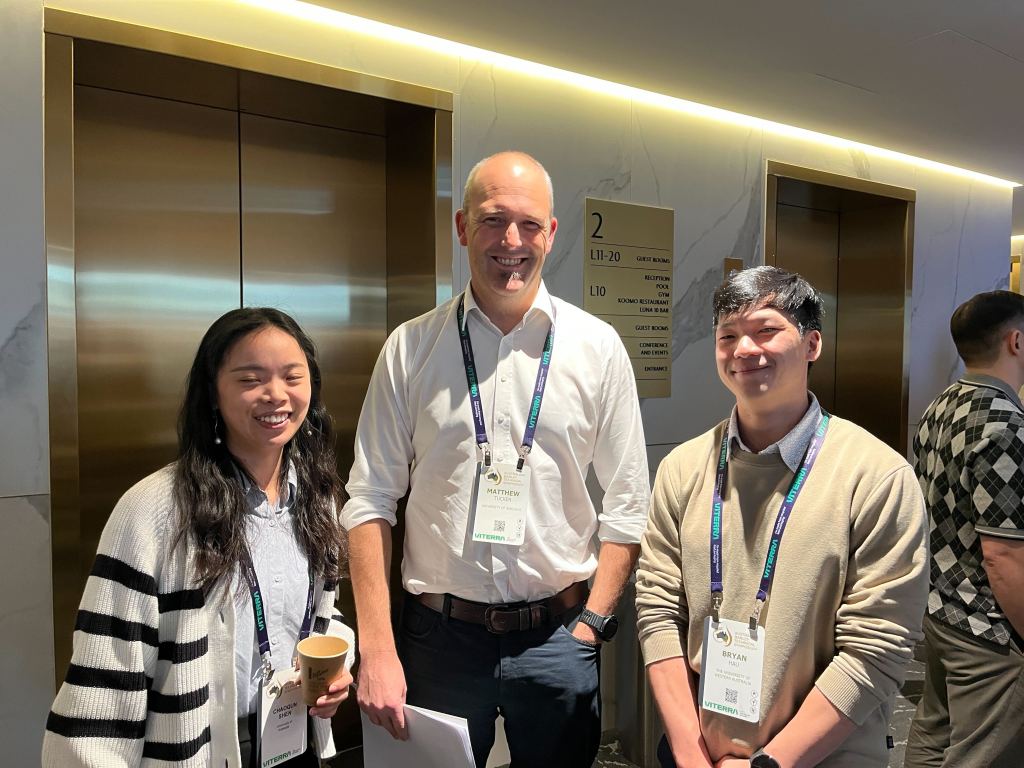
Lots of good discussions. Some good opportunities to follow up with the International Barley Hub (Robbie Waugh) around how they do their BARIToNE training of students AND their barley transformation system – they have taken over the JIC barley transformation system and are using it as a service. They are having the exact same issues Carrie is having developing cultivar non specific transformation systems and are/have appointing/appointed two Carrie equivalents to try and solve this – so some nice collaboration opportunities. Stuart
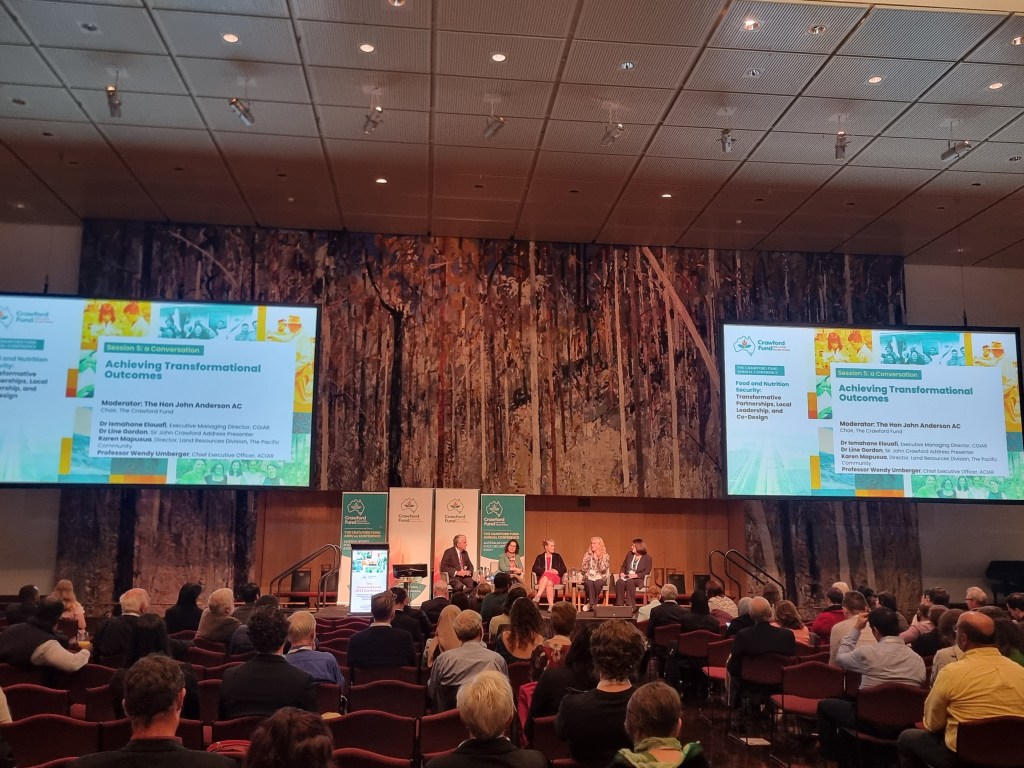
2024 Crawford Fund Annual Conference – Lucy Darragh
Community-led innovation and transdisciplinary approaches are critical components of scientifically robust and socially responsible research
Lucy was among 40 individuals recently awarded a scholarship to participate in the 2024 Crawford Fund Annual Conference held at Parliament House on 12 August.
“It was a unique opportunity to connect with global leaders and explore the complex challenges and possibilities in international agricultural development and associated research. The conference’s focus on ‘Food and Nutrition Security: Transformative Partnerships, Local Leadership and Co-Design’ brought together individuals and organisations with diverse knowledges, research interests and priorities, all united by a shared passion for sustainable agricultural development.”
The speakers presented diverse perspectives, each highlighting unique challenges, deep-seated issues, and motivating accounts. Personal highlights include presentations by Hussein Tadicha Wario, who challenged the dominant narratives that shape research and development; Madonna Thomson, who emphasised the importance of supporting continuity in cultural practice and transformation through indigenous knowledge and self-determination; Dr. Seeseei Molimau-Samasoni who pleaded for the broader implications of research for development initiatives to be more deeply considered and taken more seriously; and Dr. Ismahane Elouafi, who acknowledged the need for a better scientific understanding of nutrition and the significant knowledge gaps that remain. Key messages also served as an important reminder that the challenges of agriculture development, climate change, and geo- and socio-political landscapes are not just distant issues, but also pressing concerns right here in Australia.
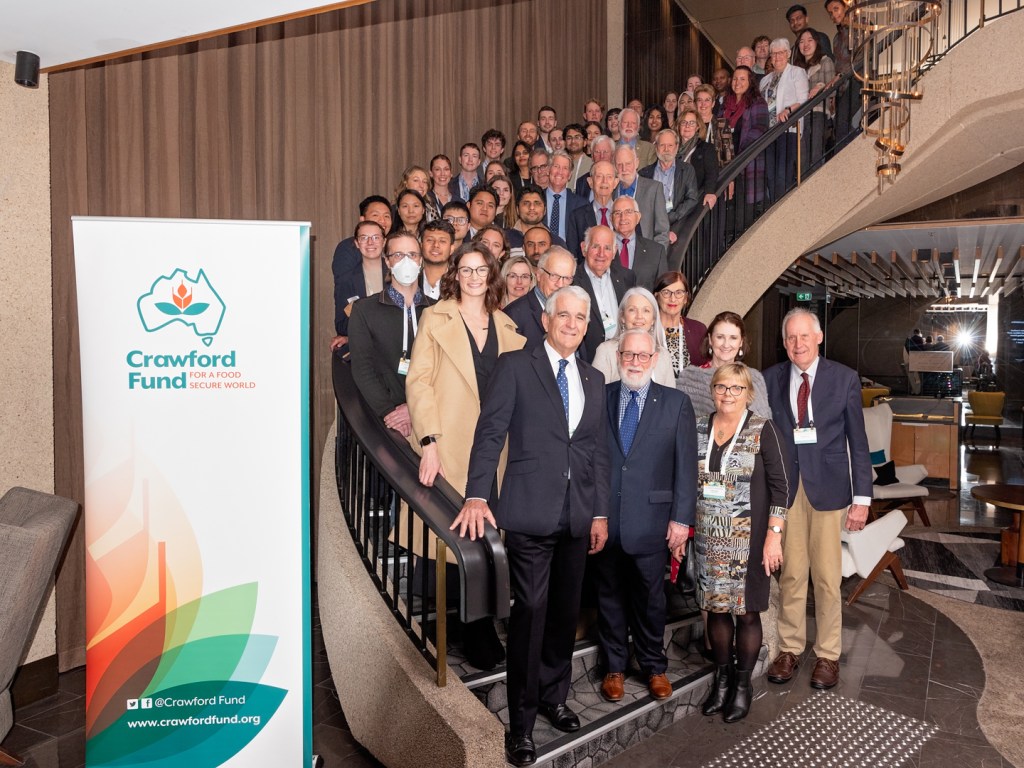
If research in agriculture for international development is something that genuinely piques your interest, look out for opportunities and support offered by the Crawford Fund and the RAID Network, and attend next year’s conference. You will not be disappointed and the conversations you have will be extremely motivating.